
The short answer
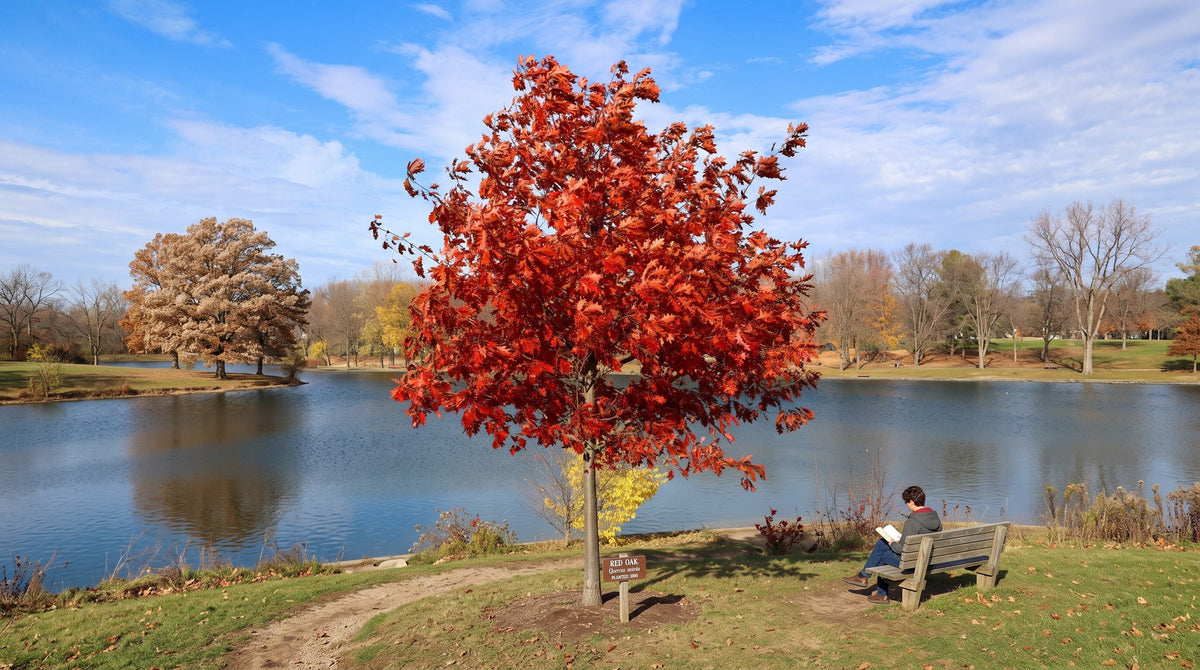
The main oak tree types fall into two groups: white oaks, with rounded leaf lobes and one-season acorns, and red oaks, with bristle-tipped lobes and two-year acorns. Plant swamp white, pin or willow oak on wet ground, chestnut or bur oak on dry ground, white oak in deep moist soil and northern red oak for broad shade.
Every oak belongs to the genus Quercus, and North American oaks sort neatly into the white oak group and the red oak group. The quickest check is the leaf. Run a finger along the tips of the lobes: rounded and smooth means a white oak, while a fine bristle at each point means a red oak. Acorns tell the same story. White oak acorns mature in a single season, and red oak acorns need two. Bark helps too, since white oaks tend toward lighter, scaly or flaky bark and red oaks toward darker, ridged bark. Knowing the group is useful, but it will not tell you whether a tree will thrive in your ground. A white oak that loves deep, moist soil struggles on a dry ridge, and a pin oak that handles wet clay wants acidic soil. Below, each common type is matched to the site it suits, with its height, zones and soil needs.
Oak tree types by planting site
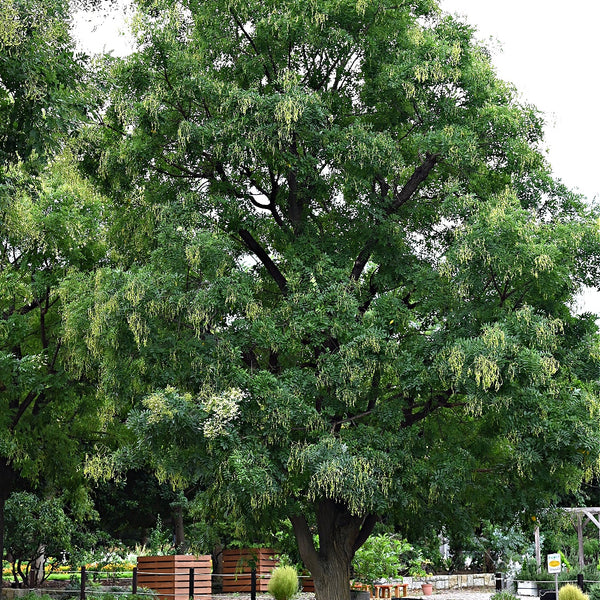
1. White oak for deep, moist soil
White oak (Quercus alba) is the classic long-lived shade and timber oak, hardy in zones 3 to 9. In a forest it reaches 80 to 100 feet; in an open yard the crown stays shorter and spreads about as wide as it is tall. Give it full sun and deep, moist, well-drained soil, ideally on a lower, sheltered slope. It does poorly on dry, shallow ridges and in standing water.
Tip: Young white oaks tolerate some shade, but they lose that tolerance with age.
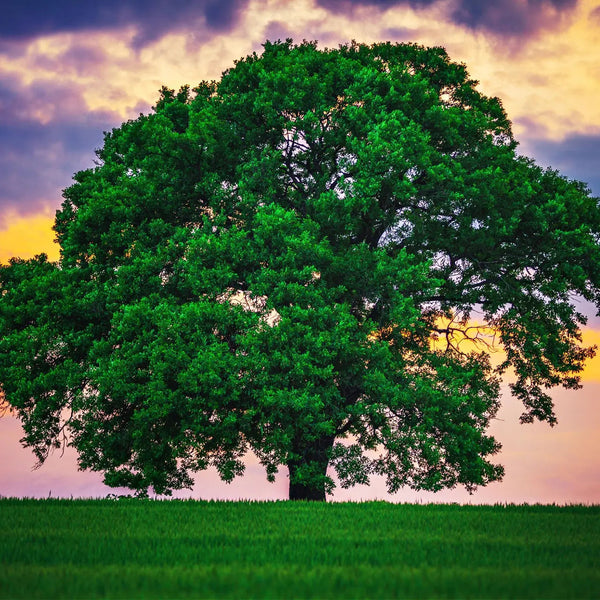
2. Bur oak for open, sunny ground
Bur oak (Quercus macrocarpa), also sold as burr oak, is a white oak known for its great size and broad canopy. It is easy to recognize by its acorns, which sit in large, spiky, fringed caps. Plant it in full sun. It grows in almost any soil, from sand to deep clay, as long as water drains away, and it becomes drought tolerant once established. It grows slowly but needs little care.
Tip: Water young bur oaks often until their roots settle in.
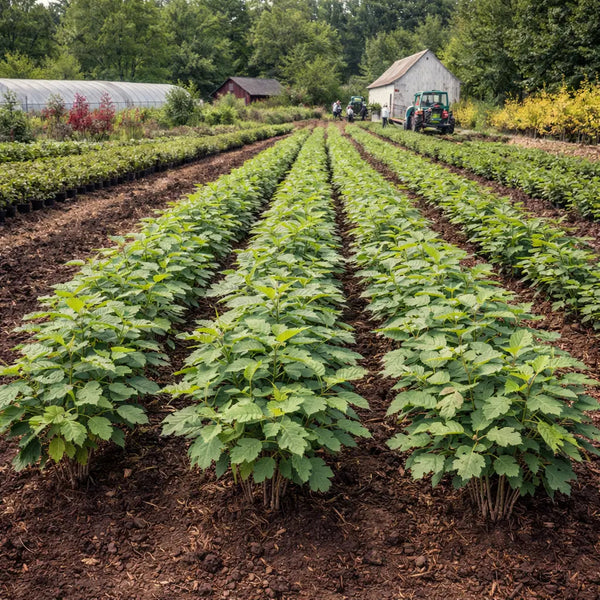
3. Chestnut oak for dry, rocky ridges
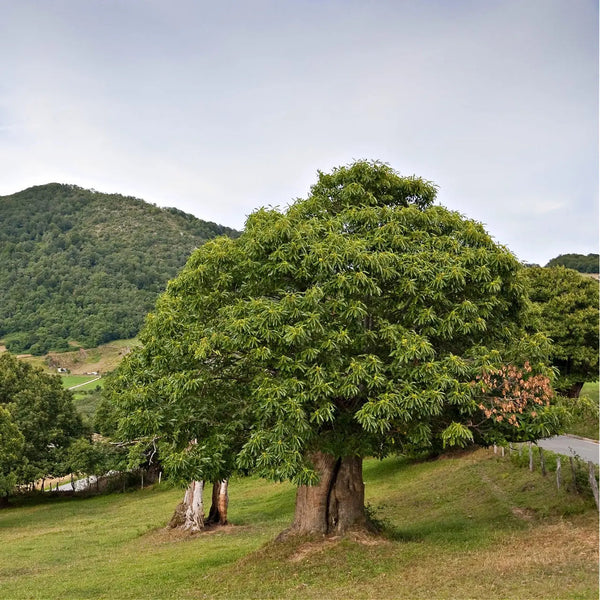
Chestnut oak (Quercus montana), also called rock oak, is the white oak to choose where other trees struggle. It tolerates poor, acidic, rocky soils and drought, but it needs very well-drained ground. Look for thick, deeply ridged bark and leaves 4 to 8 inches long with scalloped edges, like a chestnut's. It grows slowly to moderately, about 12 to 24 inches a year, eventually reaching 60 to 100 feet in zones 4 to 8.
Tip: Its large acorn crops make it a strong pick for wildlife plantings.
4. Northern red oak for broad shade
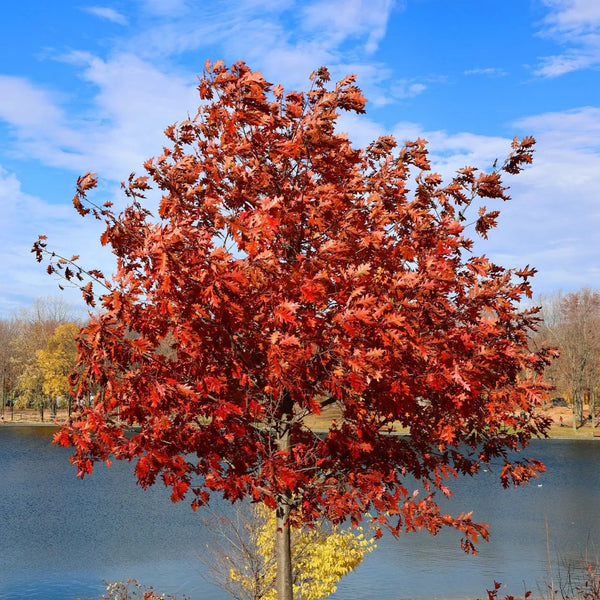
Northern red oak (Quercus rubra) is a native red oak planted for shade, along streets and for wildlife. It grows moderately to fast and spreads a broad, rounded crown, reaching 50 to 75 feet tall and about as wide in zones 4 to 8. Give it full sun or partial shade and sandy to loamy, well-drained soil that is acidic to neutral. Fall color runs reddish-brown to scarlet.
Tip: Its acorns run three-quarters of an inch to 1.5 inches, with a shallow cap.
5. Pin oak for wet, acidic ground
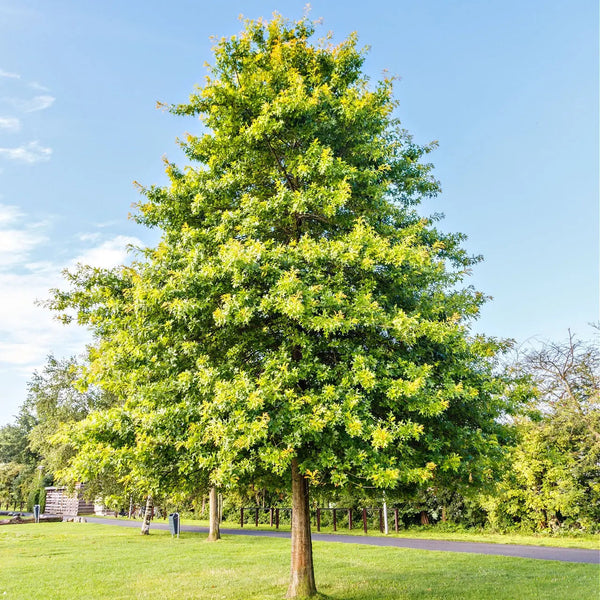
Pin oak (Quercus palustris) is the red oak that puts up with wet ground. A mature tree stands 50 to 70 feet tall and 40 to 60 feet wide, so give it room. It is hardy in zones 4 to 8 and does best with six or more hours of sun. Clay, loam and sand all work, but acidic soil below pH 6 is the best match. Young trees often hold their leaves through winter.
Tip: Expect small acorns, and none until the tree is 15 to 20 years old.
Oak types for wet and flooded ground
Low spots, floodplains and stream banks rule out most trees, but a few oak types handle them well. Swamp white oak (Quercus bicolor) is the first choice for the wettest ground. It tolerates saturated soil and grows in bottomlands, along riverbanks and on floodplains where other trees fail, and its leaves are dark green above and pale, fuzzy underneath. Willow oak (Quercus phellos) suits ground that is medium to wet and acidic. It has narrow, willow-shaped leaves 3 to 6 inches long with a bristle at the tip, so it belongs to the red oak group despite its look. It grows fast for an oak and reaches 40 to 75 feet in zones 5 to 9. Pin oak, above, also takes wet ground. One caution: cherrybark oak is not a wet-site tree. It needs loose, well-drained soil and full sun, and it rots if kept too wet, so save it for higher, open ground.
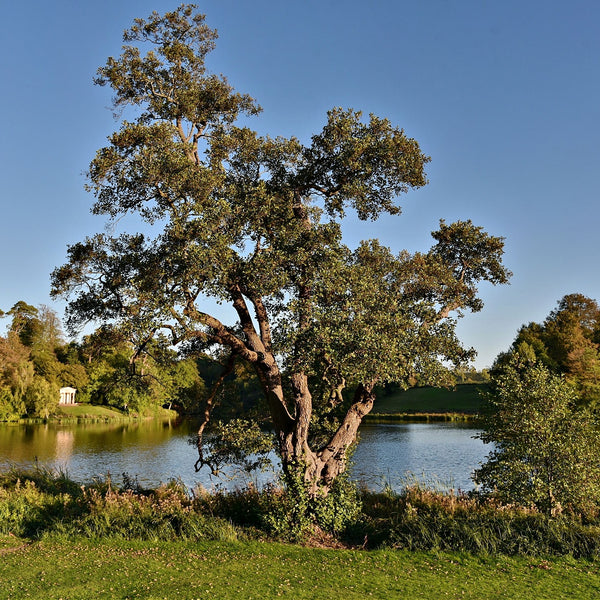
Care and keeping
Plant bare-root oaks no deeper than they grew, with the soil level even with the top of the roots. Water deeply and regularly through the first months to encourage deep roots, and spread mulch around the base to hold moisture and keep weeds back. Young oaks need frequent watering until their roots settle.
Frequently asked questions
How do you tell what type of oak tree you have?
Look for acorns first: only oaks bear them. Then check the leaves. Most oaks have lobed leaves, though some, like willow oak, have narrow ones and chestnut oak has scalloped edges. Leaves with rounded lobes point to a white oak, and leaves with bristle-tipped lobes point to a red oak. Bark and acorn caps confirm it.
What are the key differences between the leaves of red oak and white oak?
White oak leaves have rounded lobes with no bristles at the tips. Red oak leaves have pointed lobes that each end in a fine bristle. Pin oak shows the red oak pattern clearly, with deep cuts between its lobes. Willow oak is a red oak too, even though its narrow leaf carries only one bristle at the tip.
How many years does it take an oak tree to produce acorns?
It depends on the species, and young trees take years to start. A pin oak, for example, does not bear acorns until it is about 15 to 20 years old. Once trees are bearing, white oak acorns ripen in a single season, while red oak acorns take two seasons to mature on the branch.
Oak tree types compared
| Oak type | Group | Mature height | Growth | Zones | Soil and site |
|---|---|---|---|---|---|
| White oak | White | 80–100 ft in forest, shorter in the open | — | 3–9 | Deep, moist, well-drained; not dry ridges or standing water |
| Bur oak | White | Large, with a broad canopy | Slow | — | Sand to deep clay if it drains; drought tolerant once established |
| Chestnut oak | White | 60–100 ft | Slow to moderate, 12–24 in a year | 4–8 | Dry, rocky, acidic; very well-drained |
| Swamp white oak | White | — | — | — | Saturated soil, bottomlands, floodplains |
| Northern red oak | Red | 50–75 ft | Moderate to fast | 4–8 | Sandy to loamy, well-drained, acidic to neutral |
| Pin oak | Red | 50–70 ft | — | 4–8 | Wet ground; acidic, below pH 6 |
| Willow oak | Red | 40–75 ft | Fast for an oak | 5–9 | Medium to wet, acidic |
| Cherrybark oak | Red | — | — | — | Loose, well-drained sandy loam or clay; full sun; open space |
Group
- White oak
- White
- Bur oak
- White
- Chestnut oak
- White
- Swamp white oak
- White
- Northern red oak
- Red
- Pin oak
- Red
- Willow oak
- Red
- Cherrybark oak
- Red
Mature height
- White oak
- 80–100 ft in forest, shorter in the open
- Bur oak
- Large, with a broad canopy
- Chestnut oak
- 60–100 ft
- Swamp white oak
- —
- Northern red oak
- 50–75 ft
- Pin oak
- 50–70 ft
- Willow oak
- 40–75 ft
- Cherrybark oak
- —
Growth
- White oak
- —
- Bur oak
- Slow
- Chestnut oak
- Slow to moderate, 12–24 in a year
- Swamp white oak
- —
- Northern red oak
- Moderate to fast
- Pin oak
- —
- Willow oak
- Fast for an oak
- Cherrybark oak
- —
Zones
- White oak
- 3–9
- Bur oak
- —
- Chestnut oak
- 4–8
- Swamp white oak
- —
- Northern red oak
- 4–8
- Pin oak
- 4–8
- Willow oak
- 5–9
- Cherrybark oak
- —
Soil and site
- White oak
- Deep, moist, well-drained; not dry ridges or standing water
- Bur oak
- Sand to deep clay if it drains; drought tolerant once established
- Chestnut oak
- Dry, rocky, acidic; very well-drained
- Swamp white oak
- Saturated soil, bottomlands, floodplains
- Northern red oak
- Sandy to loamy, well-drained, acidic to neutral
- Pin oak
- Wet ground; acidic, below pH 6
- Willow oak
- Medium to wet, acidic
- Cherrybark oak
- Loose, well-drained sandy loam or clay; full sun; open space
Find these oaks in our Trees collection, or compare pin oak vs red oak by site.