
The short answer
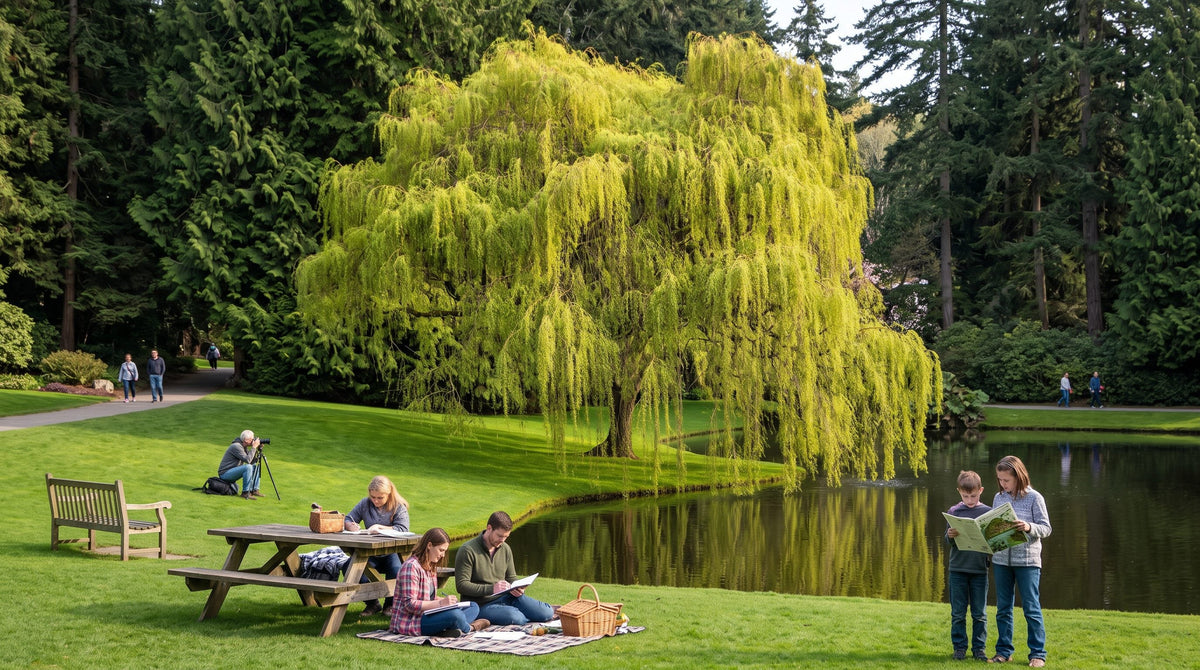
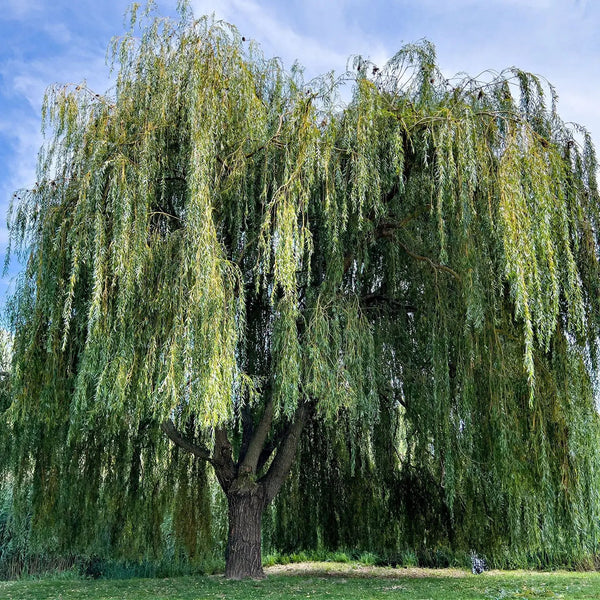
How fast does a weeping willow grow? About 3 to 4 feet a year once its roots settle, and up to 8 feet in full sun with steady moisture. Planted as a 1 to 4 foot bare-root tree, it reaches about 14 to 23 feet in five years and its mature 30 to 40 feet in 10 to 15 years.
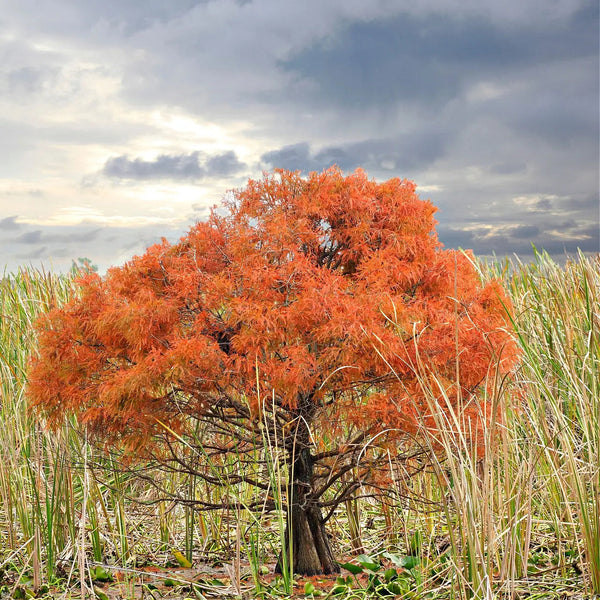
Planting size and site decide how soon a weeping willow gives you shade. Our Weeping Willow Tree (Salix babylonica) ships bare-root in 1 to 2, 2 to 3 or 3 to 4 foot sizes, and a taller tree simply starts the climb a little higher. The site sets the pace from there. Growth runs fastest in full sun with roots that reach steady moisture, such as a pond edge, a stream bank or a low, wet spot, and slows with drought, shade and packed soil. The tree is hardy in USDA zones 6 through 8 and matures at 30 to 40 feet tall with a canopy just as wide, so plan the space before you plant. For a mixed wet-site planting, river birch and bald cypress share the same ground: river birch grows fast and shrugs off long floods, while bald cypress takes flooding and also does well on drier, well-drained soil. The year-by-year stages below, and the chart at the end, show what to expect.
Weeping willow growth by year

1. Year 1: roots first, then new height
A bare-root willow spends its first season building roots, so top growth is slower than the 3 to 4 feet you will see later. Plan on 1 to 3 feet of new height. Soak the roots for a few hours, set the tree in moist ground and water weekly through the first summer if rain runs short. A tree that settles in well this year grows faster next year.
Tip: Plant as soon as the trees arrive, before the bare roots dry out.
2. Years 2 to 3: 3 to 4 feet a year
Once roots reach steady moisture, the willow settles into its working pace of about 3 to 4 feet a year. A tree planted at 2 to 3 feet should stand about 9 to 14 feet by the end of year three. In a wet year at the edge of a pond or stream, growth can run higher, and some trees put on up to 8 feet in a season.
3. Years 4 to 6: the canopy fills in
By year five most willows stand 14 to 23 feet, depending on planting size and site. The long branches start to arch and sweep toward the ground, and the spread widens almost as fast as the height. This is when the tree begins to give useful shade. Keep mowers and string trimmers off the trunk, and mulch a wide ring to hold moisture in summer.
4. Years 7 to 15: full size
Growth slows as the tree nears its mature 30 to 40 feet, with a canopy about as wide. On a good wet site that can happen around year 10; on a drier or shadier site it may take closer to 15 years. A 10 year old weeping willow in good conditions is usually 30 feet or more. From here, expect smaller gains in height each year.
5. What slows a weeping willow down
Three things cut the yearly rate most. Drought is the biggest: willows are thirsty, and a dry summer can stall new growth. Shade is next, since the tree grows best in full sun and slows in part shade. Compacted soil keeps roots from spreading toward water. Plant in the wettest open spot you have, loosen the soil wide around the hole and water deeply in dry spells.
Tip: Weeping willows handle standing water and occasional flooding better than most trees.
Fast growers outside zones 6 to 8
Our weeping willow is hardy in USDA zones 6 through 8. If your site sits in a colder or hotter zone, or you need a native tree for a restoration or buffer planting, two of our fast growers cover the same wet ground. Black Willow Tree (Salix nigra) is the native willow of creek banks and floodplains. It is hardy in zones 4 to 9, grows rapidly to 70 to 80 feet with a 30 to 60 foot spread, and copes with flooding, silt and standing water. A row on a bank at 8 to 10 foot spacing closes in quickly. Eastern cottonwood (Populus deltoides) is hardy in zones 3 to 9, grows rapidly to 75 to 100 feet and handles flooded ground well, though it needs full sun. Both are bigger trees than a weeping willow, and both have roots that can reach sewer lines, so give them the same wide berth from pipes and buildings.


Care and keeping
The best spot is open, sunny, wet ground: a pond edge, a stream bank or a low spot. Willow roots go looking for water and can reach sewer lines, pipes and septic fields, so the University of Minnesota's septic program advises planting willows at least 50 feet from a septic soil treatment area. Keep foundations well clear too.
Frequently asked questions
How tall is a 10 year old willow tree?
A weeping willow planted as a 1 to 4 foot bare-root tree on a sunny, moist site is usually 30 feet or more by year 10, close to its mature 30 to 40 feet. On a dry or shady site, expect it to be shorter and to need a few more years.
How long does it take for a weeping willow to get full size?
Plan on about 10 to 15 years. At 3 to 4 feet a year after a slower first season, a young bare-root tree reaches its mature 30 to 40 feet in roughly a decade on a wet, sunny site. Drought, shade and compacted soil push that toward 15 years.
What are the negatives of a weeping willow tree?
Its roots seek water and can reach sewer lines, pipes and septic fields. The brittle wood can break in snow or ice, and the tree drops leaves and twigs through the year. It is also short lived, so it suits large, wet sites where fast shade matters more than longevity.
Weeping willow growth chart by planting size
These heights are planning estimates for a weeping willow on a sunny, moist site. They assume 1 to 3 feet of growth in the first season and 3 to 4 feet a year after that, up to the tree's mature 30 to 40 feet. Dry, shady or compacted sites run behind these numbers.
| Planting size | End of year 1 | End of year 3 | End of year 5 | Year 10 |
|---|---|---|---|---|
| 1 to 2 feet | 2 to 5 feet | 8 to 13 feet | 14 to 21 feet | 30 to 40 feet |
| 2 to 3 feet | 3 to 6 feet | 9 to 14 feet | 15 to 22 feet | 30 to 40 feet |
| 3 to 4 feet | 4 to 7 feet | 10 to 15 feet | 16 to 23 feet | 30 to 40 feet |
End of year 1
- 1 to 2 feet
- 2 to 5 feet
- 2 to 3 feet
- 3 to 6 feet
- 3 to 4 feet
- 4 to 7 feet
End of year 3
- 1 to 2 feet
- 8 to 13 feet
- 2 to 3 feet
- 9 to 14 feet
- 3 to 4 feet
- 10 to 15 feet
End of year 5
- 1 to 2 feet
- 14 to 21 feet
- 2 to 3 feet
- 15 to 22 feet
- 3 to 4 feet
- 16 to 23 feet
Year 10
- 1 to 2 feet
- 30 to 40 feet
- 2 to 3 feet
- 30 to 40 feet
- 3 to 4 feet
- 30 to 40 feet
A 3 to 4 foot tree gives you a head start of two feet or so, which helps where you want shade sooner. A 1 to 2 foot tree suits a large planting where cost per tree matters, and by year 10 the gap has all but closed. Bigger packs of 25, 50, 100 or 500 cost less per tree, and our bare-root weeping willows ship in November.