
The short answer
Here is how to grow milkweed: plant nursery plants in spring or fall in full sun, about 18 inches apart, in well-drained soil that suits the species. Water them in, then only during drought, and skip fertilizer. Snip seed pods before they split and pull stray shoots to keep the patch in place.
Milkweed is the plant monarch butterflies depend on: the females lay eggs on it, the caterpillars eat its leaves, and they hang their chrysalises from it. Growing it from seed means cold stratification and a long wait. Starting from nursery plants skips that wait and puts living roots in the ground from day one. Our Milkweed Plant grows 2 to 4 feet tall on sturdy stems that stand without staking, carries sweet-scented pink flowers, and is hardy in Zones 3 to 9. It wants full sun, needs no fertilizer and copes with poor soil, which makes it one of the easiest perennials to establish. The work is in choosing the right spot, because milkweed is hard to move once it settles, and in managing how far it spreads. This guide covers planting, care through the year, spread control, the plants that grow well beside it, and the downsides worth knowing before you dig.
How to grow milkweed: what you need
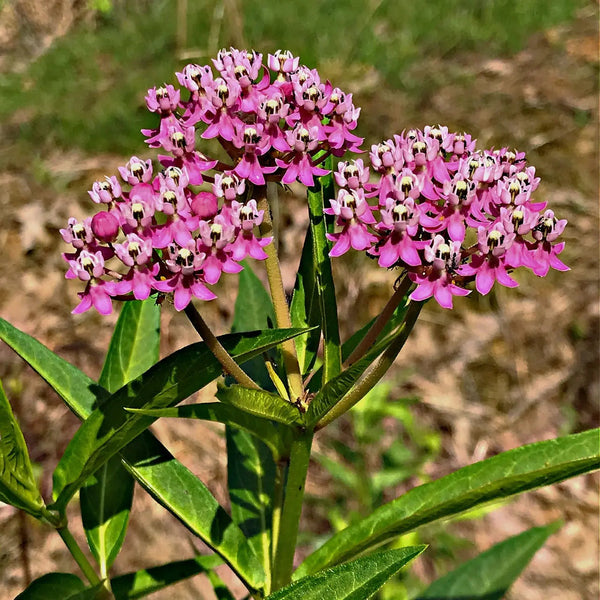
1. Choose a sunny spot with room to spread
Milkweed wants full sun and soil that drains well; it will even grow in dry, damaged ground where other perennials struggle. Pick the spot with care, since established milkweed is hard to transplant. Leave it room: common milkweed spreads by underground rhizomes into large clumps and can crowd out smaller neighbors. A sunny bed edge, a meadow strip or an open corner of the yard suits it better than a tidy border.
2. Match the milkweed species to your soil
Each milkweed has its own preferred ground, so check your soil before you order. Our Milkweed Plant prefers full sun and dry soil. Butterfly weed likes dry, gravelly, well-drained soil. Swamp milkweed wants consistently moist soil in full sun. Common milkweed takes ordinary well-drained ground and spreads the most. Poke milkweed is the one for moist soil in dappled shade. The table below compares them.
3. Plant 18 inches apart in spring or fall
Plant in early spring or fall, when temperatures are mild. Dig a hole a little wider than the root mass, loosen the roots gently and set each plant at the same depth it was growing. Space plants about 18 inches apart to avoid overcrowding. For a butterfly patch, group at least six together and set a shallow bowl or birdbath of water nearby.
Tip: Firm the soil around the roots and water once to settle it.
4. Water to settle, then let it be
After the first watering, milkweed needs very little from you. Water only when drought sets in, and skip fertilizer altogether: it does well in less-than-perfect soil. The stems are sturdy enough to stand without stakes. Leave monarch caterpillars to feed on the leaves, and avoid pesticides anywhere near the patch, since they kill the butterflies you planted it for.
5. Remove seed pods to control spread
Milkweed spreads two ways: by rhizomes underground and by seed that the wind carries from split pods. The pods start green and turn brown as they ripen, then dry and split open. Cut them off while they are still closed to stop seedlings appearing all over the yard. Pull any shoots that come up outside the patch, and keep an eye out for weeds between plants.
Tip: Brown pods cut before they split work well in dried flower arrangements.
What to plant next to milkweed
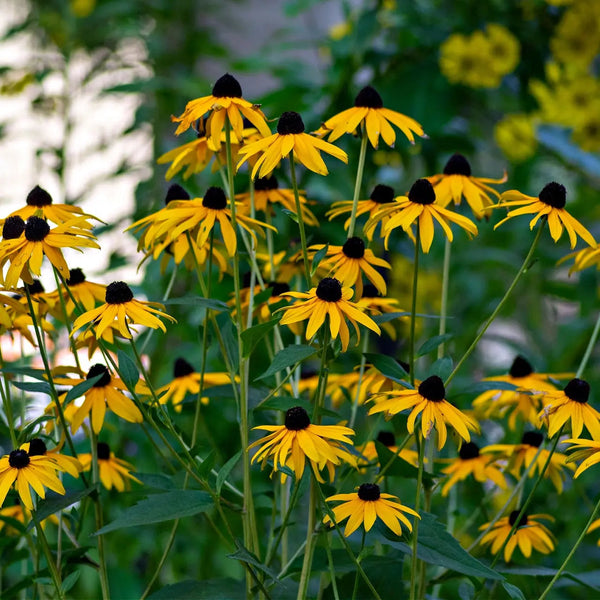
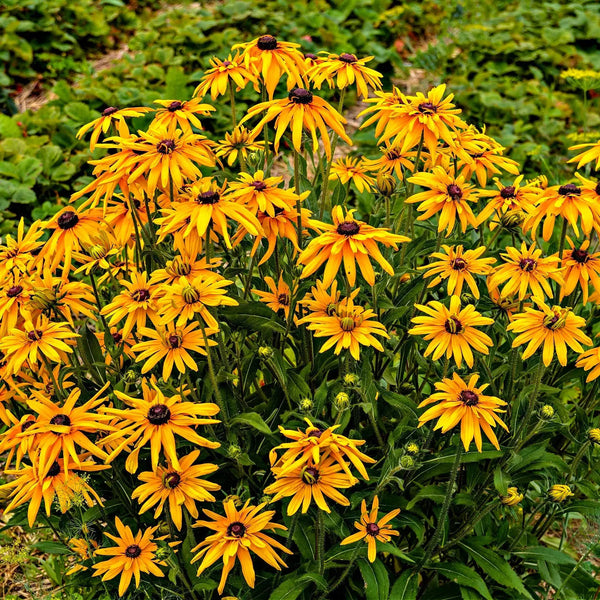
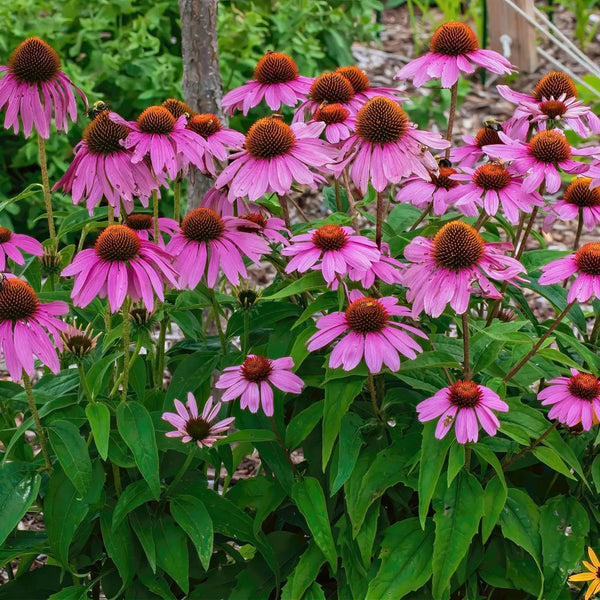
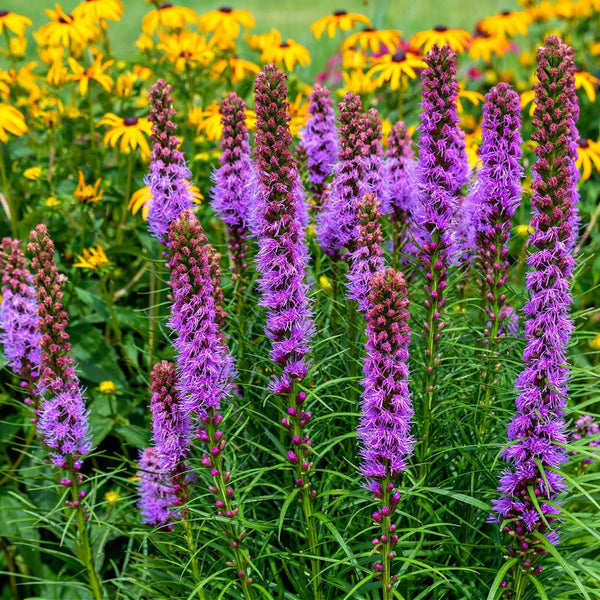
Good partners for milkweed share its taste for sun and lean, well-drained soil, so one watering plan suits the whole bed. Purple Coneflower grows 2 to 4 feet tall, tolerates clay, loam and gravel, and blooms from mid-summer into early fall, carrying color on after milkweed's fragrant stretch from late June to August. Blazing Star sends up spiky purple flowers on 24 to 48 inch stalks in mid to late summer, prefers dry, well-draining ground and is deer-resistant. Both are drought-tolerant once established. For the front of the bed, Black Eyed Susan grows up to three feet and Yellow Coneflower stays just under two. As for what not to plant next to milkweed, keep small perennials away from common milkweed's rhizomes, which can crowd them out. Beside dry-soil milkweeds, skip plants that need regular watering. Never set it beside plants you spray with pesticides, since monarch caterpillars feed on the leaves.
Care and keeping
Through the year, milkweed asks for little. In spring, pull weeds and stray shoots around the patch. In summer, water only in drought and leave caterpillars and their chrysalises alone. In late summer, cut seed pods before they split if you want to limit spread. Never feed it: fertilizer is not needed, even in poor soil.
Frequently asked questions
Does milkweed come back every year?
Yes. Native milkweeds such as common, swamp, prairie and butterfly weed are perennials that return each year from their roots. Our Milkweed Plant is hardy in Zones 3 to 9. Tropical milkweed is the exception: it dies at the first frost, so in cold areas it behaves like an annual.
What month do you plant milkweed?
Plant nursery milkweed in early spring or in fall, when temperatures are mild and roots can settle before summer heat or winter cold. Seed is different: sow it outdoors in fall so winter cold stratifies it, or start it indoors in spring at a steady 65 to 70°F.
How do you grow milkweed from seed?
Milkweed seed needs cold before it sprouts. Sow it outdoors in fall, or chill it in the refrigerator for three weeks to three months before spring sowing. Press it onto sunny, open ground under a light covering of soil, keep the soil lightly moist until seedlings appear, then thin them to about 18 inches apart.
Milkweed species by soil and site
| Species | Soil | Light | How it spreads |
|---|---|---|---|
| Butterfly weed (Asclepias tuberosa) | Dry, gravelly, well-drained | Full sun | Very little; forms few pods |
| Common milkweed (Asclepias syriaca) | Well-drained | Full sun | Rhizomes form large clumps |
| Swamp milkweed (Asclepias incarnata) | Consistently moist to wet | Full sun | By seed |
| Prairie milkweed (Asclepias sullivantii) | Moist, well-drained | Full sun | By seed; less aggressive than common |
| Poke milkweed (Asclepias exaltata) | Moist | Dappled shade | Not listed in our sources |
Soil
- Butterfly weed (Asclepias tuberosa)
- Dry, gravelly, well-drained
- Common milkweed (Asclepias syriaca)
- Well-drained
- Swamp milkweed (Asclepias incarnata)
- Consistently moist to wet
- Prairie milkweed (Asclepias sullivantii)
- Moist, well-drained
- Poke milkweed (Asclepias exaltata)
- Moist
Light
- Butterfly weed (Asclepias tuberosa)
- Full sun
- Common milkweed (Asclepias syriaca)
- Full sun
- Swamp milkweed (Asclepias incarnata)
- Full sun
- Prairie milkweed (Asclepias sullivantii)
- Full sun
- Poke milkweed (Asclepias exaltata)
- Dappled shade
How it spreads
- Butterfly weed (Asclepias tuberosa)
- Very little; forms few pods
- Common milkweed (Asclepias syriaca)
- Rhizomes form large clumps
- Swamp milkweed (Asclepias incarnata)
- By seed
- Prairie milkweed (Asclepias sullivantii)
- By seed; less aggressive than common
- Poke milkweed (Asclepias exaltata)
- Not listed in our sources
Sources: the University of Connecticut milkweed fact sheet and Iowa State University's milkweed guide. Butterfly weed suits dry, gravelly ground, common milkweed suits ordinary well-drained ground, and swamp milkweed suits damp, sunny spots.
Downsides of growing milkweed in your yard
Milkweed earns its place, but it is not for every bed. Common milkweed spreads by rhizomes into large clumps and can take over a small border, and wind-blown seed starts new plants wherever it lands. Once established, milkweed is hard to move, so a poor first spot is hard to fix. Yellow aphids often gather on the stems and leave sticky honeydew behind. The plant is also poisonous to grazing animals: the University of Connecticut's Home & Garden Education Center lists its stems, leaves and roots as toxic to livestock, with sheep at the highest risk, so keep it out of pastures. Choosing a species that forms few pods, or cutting pods each year, keeps most of these in check.