
The short answer
A redbud sapling is a young eastern redbud (Cercis canadensis), sold from 6-inch seedlings up to 3-4 foot trees. Plant it in fall or early spring while dormant, in full sun to part shade and well-drained soil, with the root flare at grade. Expect first flowers about four to five years after planting a seedling.
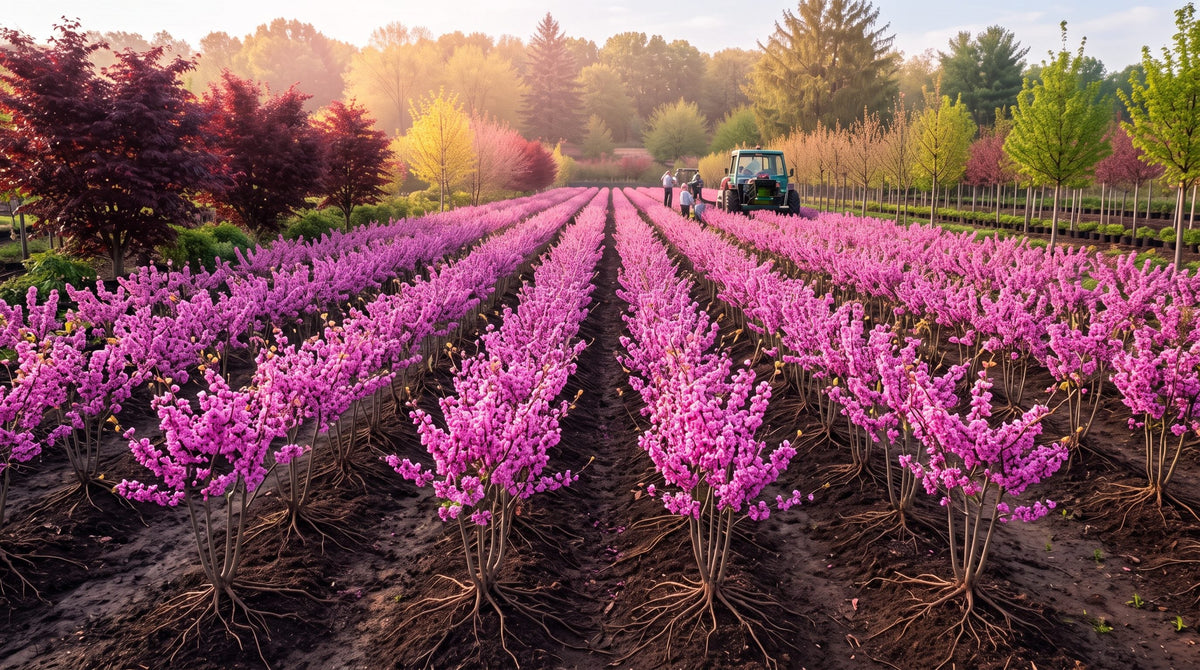
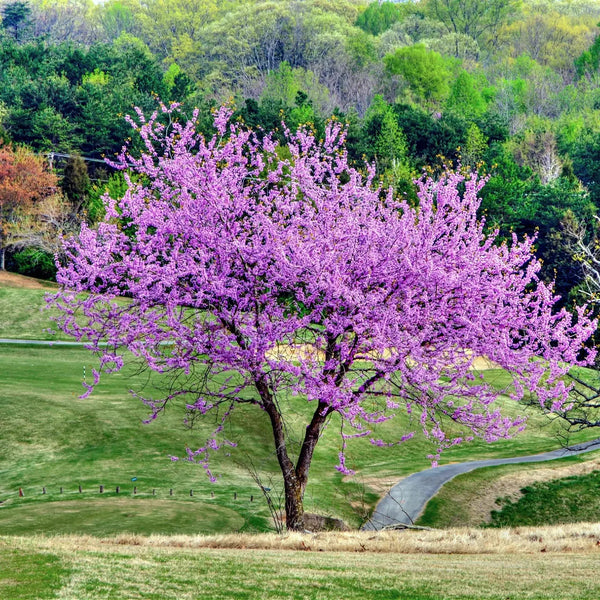
The eastern redbud, also sold as American redbud, is one of the first trees to bloom in spring, usually in April, with pink to reddish-purple flowers lining bare limbs before heart-shaped leaves appear. It began as an understory tree in eastern forests and grows into a small tree of 20 to 30 feet, which makes it a natural fit for yards, parking strips and spots under power lines. Starting with a sapling is the most economical way to plant redbuds in number, whether you are lining a drive, filling a restoration site or adding spring color to a home landscape. Our Redbud Seedlings suit hardiness zones 4 to 9 and grow fibrous roots, and fall planting lets them build those roots over winter. This guide walks through choosing a size, planting and transplanting, care in the first years, and the problems young redbuds run into, so your saplings reach their first bloom in good shape.
Choose your redbud sapling size
1. Pick a sunny, well-drained spot
Redbuds grow best in well-drained soil with a slightly acidic to neutral pH. Give them full sun for the strongest bloom, or light afternoon shade in hot southern summers. Avoid low spots where water sits after rain. Leave room when spacing: a redbud stays small, but its vase-shaped crown spreads, so keep saplings clear of walls, driveways and larger trees.
Tip: Planting under power lines? A redbud's short trunk and small size make it a sensible choice there.
2. Plant while dormant, ideally in fall
Plant while the sapling is dormant, in fall or early spring. Fall is best, since it gives the roots the winter to grow before spring. Dig a hole wider than the root system and no deeper. Spread the fibrous roots out and set the sapling so the root flare, where the trunk widens into roots, sits level with the soil. Backfill with native soil, firm it gently and water deeply.
Tip: Keep seedling roots moist and out of the sun until the moment they go in the ground.
3. Transplant a wild redbud sapling while dormant
Move a volunteer redbud in late fall after its leaves drop, or in early spring before the buds break. Choose the smallest sapling you can, since young redbuds recover more readily than older ones. Dig wide around the trunk to keep as many roots as possible, lift the soil with them, and replant at the same depth right away. Water it in well.
Tip: Only dig saplings on your own land or with the landowner's permission.
4. Water and mulch through the first years
Water regularly through the first few growing seasons, soaking the root zone rather than sprinkling the surface, and check the soil more often in summer heat. Spread a thin layer of mulch around the base to hold moisture and keep weeds down, pulling it back a few inches from the trunk. Once established, a redbud handles dry spells well and needs little care.
Tip: Mulch piled against the bark holds moisture there, so keep a small gap.
5. Prune for shape, then after bloom
Make structural cuts on a young sapling while it is dormant in winter: remove dead, broken or crossing branches and choose one or a few strong leaders, depending on the form you want. Once a redbud is old enough to flower, prune right after it blooms instead, because winter cuts on a flowering tree remove the older wood that carries next spring's flowers. Keep every cut light.
Seedling bundles or taller saplings
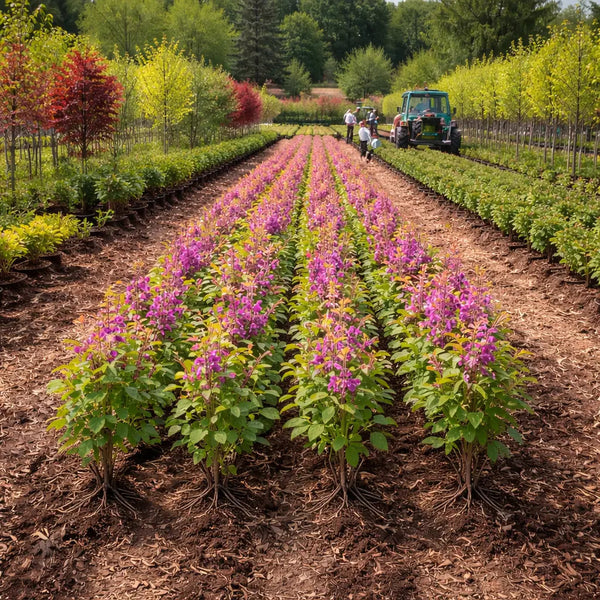
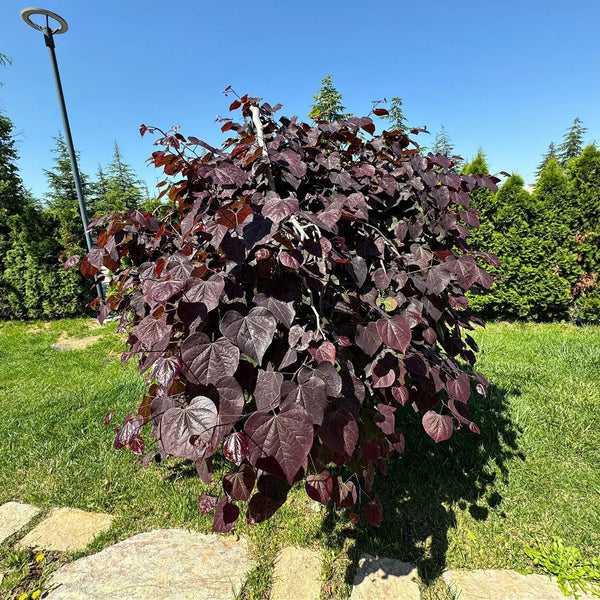
Choose your sapling by the size of the job and how soon you want color. Our Redbud Seedlings come in 6 to 12 inch, 12 to 18 inch and row-run 6 to 24 inch grades, sold in lots of 100, 500 or 1,000. They suit restoration plantings, hedgerows and large properties where the cost per plant matters and you can wait a few seasons for bloom. Redbud Trees, the classic eastern redbud, are sold at 1 to 2, 2 to 3 and 3 to 4 feet in lots of 25 and up, a middle ground for landscapers who want a taller start on a commercial job. For a specimen with year-round interest, Forest Pansy Redbud is a cultivar of the eastern redbud with purple, heart-shaped leaves that shift to green, orange and yellow through the seasons. It comes at 3 to 4 feet and does best in plenty of sun, which keeps its leaves fully colored. Whichever you choose, the planting and care steps above apply.
Care and keeping
Check new redbud saplings weekly through their first summer. Push a finger a couple of inches into the soil: if it is dry, water deeply. Wilting or browning leaf edges in heat usually mean thirst, not disease. Keep mowers and string trimmers away from the thin bark, and refresh the mulch ring each spring.
Frequently asked questions
How tall do redbud trees get?
An eastern redbud grows into a small tree of about 20 to 30 feet tall, with a short trunk and a vase-shaped crown. That compact size suits yards, parking strips and spots under power lines, where larger shade trees would outgrow the space.
When to transplant a redbud tree?
Transplant a redbud while it is dormant: in late fall after the leaves drop, or in early spring before the buds open. Avoid summer heat and frozen ground. Small saplings move best, so dig young volunteers with a wide root ball and replant them at the same depth the same day.
Why are the leaves on my redbud turning brown?
On a young redbud, brown leaves most often point to water stress: too little water in summer heat, or soggy, poorly drained soil around the roots. Leaves that brown and wilt on one branch while the rest stay green can signal verticillium wilt or canker, so prune out affected wood and keep the tree watered.
Redbud sapling sizes at a glance
Each size suits a different kind of planting. Our seedlings typically flower within four to five years, start producing seed by years seven to eight and reach full maturity around year 12. Browse the full seedlings collection for companion natives to plant alongside them.
| Size sold | Product | Best for | Planting note |
|---|---|---|---|
| 6-12 inch seedling | Redbud Seedlings | Restoration and bulk planting | Plant in fall so roots grow over winter |
| 12-18 inch seedling | Redbud Seedlings | Bulk planting with a taller start | Easier to spot and protect in tall grass |
| Row run 6-24 inch | Redbud Seedlings | Large projects that accept mixed heights | Sort by height and group similar sizes |
| 1-2, 2-3 or 3-4 feet | Redbud Trees | Landscape jobs that need a visible tree sooner | Set the root flare level with the soil |
| 3-4 feet | Forest Pansy Redbud | Specimen planting with purple foliage | Full sun keeps the leaf color strongest |
Product
- 6-12 inch seedling
- Redbud Seedlings
- 12-18 inch seedling
- Redbud Seedlings
- Row run 6-24 inch
- Redbud Seedlings
- 1-2, 2-3 or 3-4 feet
- Redbud Trees
- 3-4 feet
- Forest Pansy Redbud
Best for
- 6-12 inch seedling
- Restoration and bulk planting
- 12-18 inch seedling
- Bulk planting with a taller start
- Row run 6-24 inch
- Large projects that accept mixed heights
- 1-2, 2-3 or 3-4 feet
- Landscape jobs that need a visible tree sooner
- 3-4 feet
- Specimen planting with purple foliage
Planting note
- 6-12 inch seedling
- Plant in fall so roots grow over winter
- 12-18 inch seedling
- Easier to spot and protect in tall grass
- Row run 6-24 inch
- Sort by height and group similar sizes
- 1-2, 2-3 or 3-4 feet
- Set the root flare level with the soil
- 3-4 feet
- Full sun keeps the leaf color strongest
Redbud sapling problems and fixes
Most trouble on a young redbud comes from water, planting depth or bark damage, and most of it can be fixed once you spot it.
- Brown, crispy leaf edges in summer: water stress or heat scorch. Water deeply at the roots, refresh the mulch and, in hot regions, choose a spot with afternoon shade.
- Yellow leaves and slow growth after planting: transplant shock or wet roots. Check that water drains away, hold off on heavy feeding and keep watering steady.
- Wilting and browning on one branch: possible verticillium wilt. Prune out dead wood in winter and keep the tree watered; your local extension office can confirm it.
- Sunken or cracked bark with dieback above: canker. Cut affected branches back to healthy wood in dry weather and clean your pruners between cuts.
- Wounds at the base of the trunk: mower or trimmer damage. Keep a mulch ring around the sapling so equipment stays clear of the bark.
- Trunk goes straight into the soil with no flare: planted too deep. Pull soil back to expose the flare, or replant a small sapling higher while it is dormant.