
The short answer
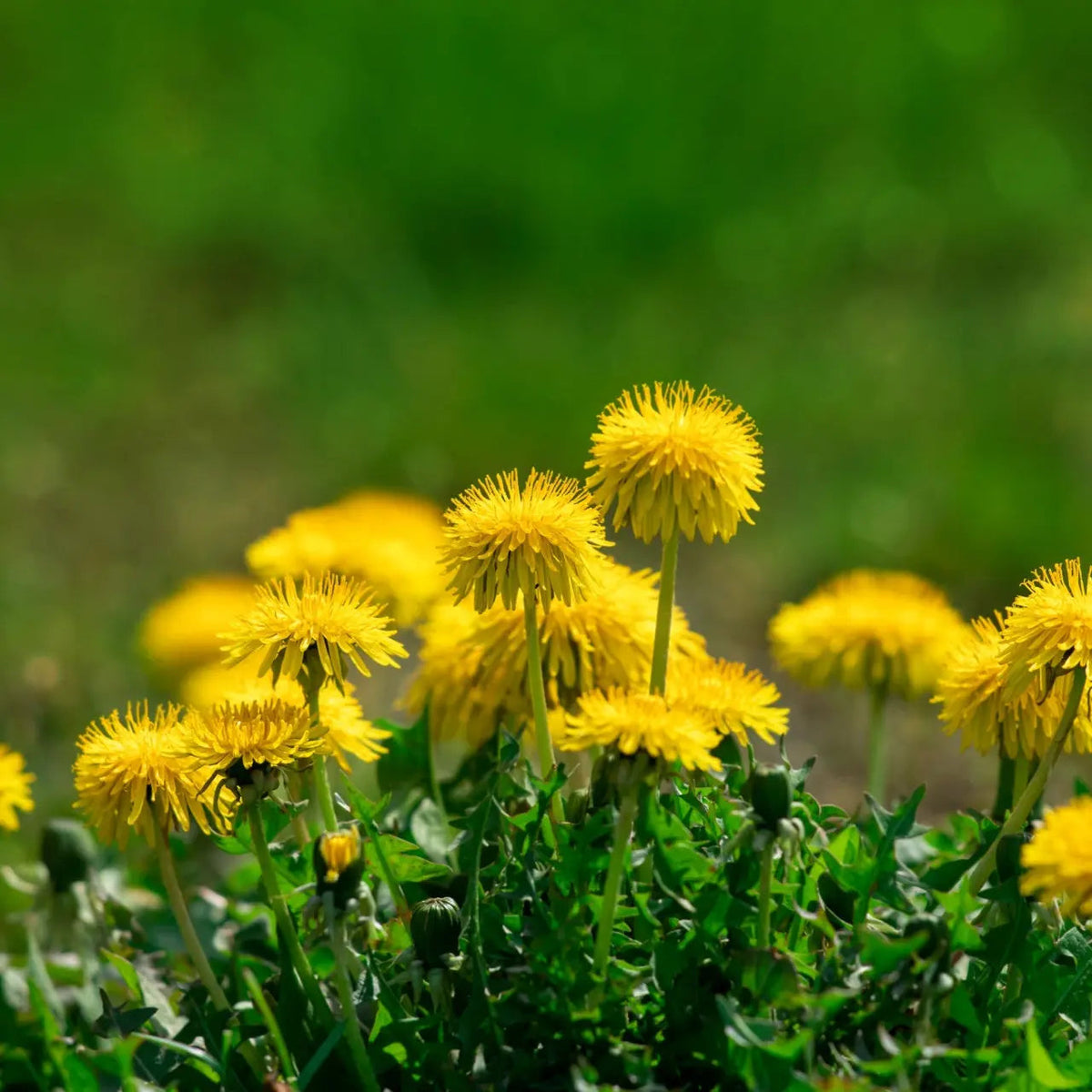
A dandelion flower is the bright yellow head of Taraxacum officinale, made of hundreds of tiny ray florets on a single hollow stem. It opens in daylight, closes at night, and after a short bloom turns into a white puffball of seeds. Bees rely on the flowers as an early nectar source in spring.
Look closely at a dandelion flower and you are not looking at one bloom. Each head, usually 1 to 2 inches across, is a cluster of hundreds of small ray florets packed together. The head sits alone on a smooth, hollow stem, and both stem and leaves bleed a milky white sap when broken. The leaves form a low rosette over a taproot, and their coarse teeth gave the plant its old name, lion's tooth. The flowers open in daylight and close at night. After bees and other insects visit, the florets set seed, each topped with a fluffy pappus, and the head turns into the round white seed head many people call a blowball. Below you will find how to grow dandelion flowers on purpose, tell them from look-alikes, pick them at their best, and plan flowers to follow them.
How to grow and pick dandelion flowers
1. Confirm it is a true dandelion
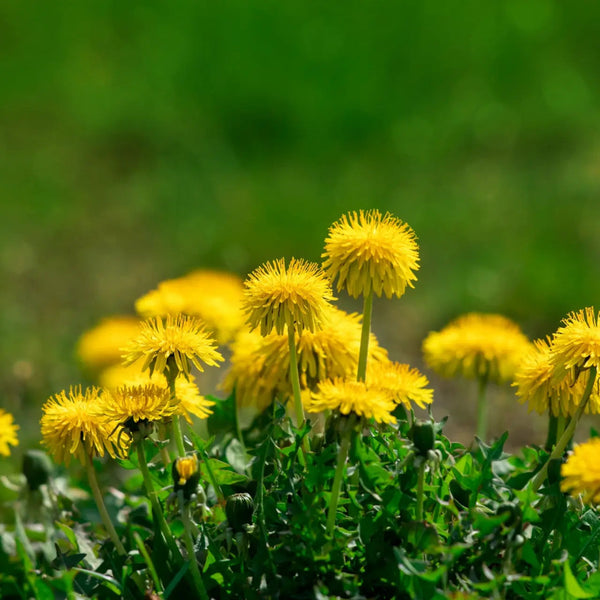
Several yellow wildflowers pass for dandelions, and the most common is catsear, often called false dandelion. Check the stem first: a true dandelion carries one flower on a hollow, unbranched stem, while catsear has branched flower stems. Then feel a leaf. Catsear leaves have coarse hairs that feel rough to the touch, and dandelion leaves do not. The UC IPM catsear identification page describes the differences.
Tip: Check the stem and leaves before you pick any flower to eat.
2. Plant where the patch can spread
Dandelions adapt to almost any climate or soil, wet or dry, and they tolerate frost and crowding. Richer soil simply gives stronger growth. Set plants at the edge of a meadow, along a path, or in a corner of lawn you are happy to leave unmown in spring. Once rooted they need very little care, come back every year, and send up new leaves even after you cut them back.
3. Leave the first flowers for the bees
Dandelions flower very early in spring, when few other blooms are open, which makes them an important early nectar source for bees and other pollinators, according to University of Wisconsin-Madison Extension. Hold off mowing the patch until most of the first flush of yellow heads has faded and other spring flowers are open nearby. Flowers keep appearing on and off through the growing season, so some are always there for insects.
Tip: Skip the first spring mowing to keep more heads open.
4. Pick the flowers early and use them fast
Dandelion blossoms are edible and taste sweetest early in the season. They close soon after picking, so use them right away, as Wisconsin Horticulture advises. Pick in daylight, once the heads are fully open. Harvest only from plants you know have not been treated with pesticides, which is one good reason to grow your own patch rather than gather from a roadside or a sprayed lawn.
5. Cut spent heads before the puffball forms
The white puffball is the seed head, and each seed rides on a feathery parachute called a pappus. One head can carry 150 to 200 seeds, and a plant can make up to 10 heads, per Wisconsin Horticulture. To keep the patch in place, cut faded flowers before they open into puffballs. To let it spread across a meadow, leave them for the wind.
Tip: Faded heads close up before they reopen as puffballs.
Flowers to follow your dandelions
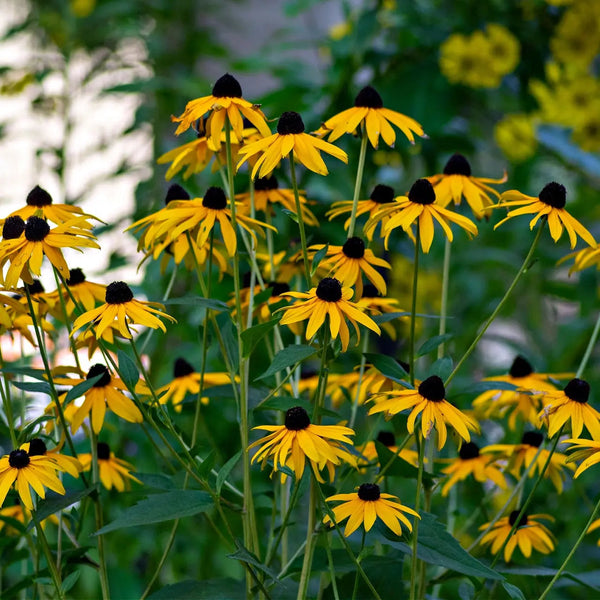
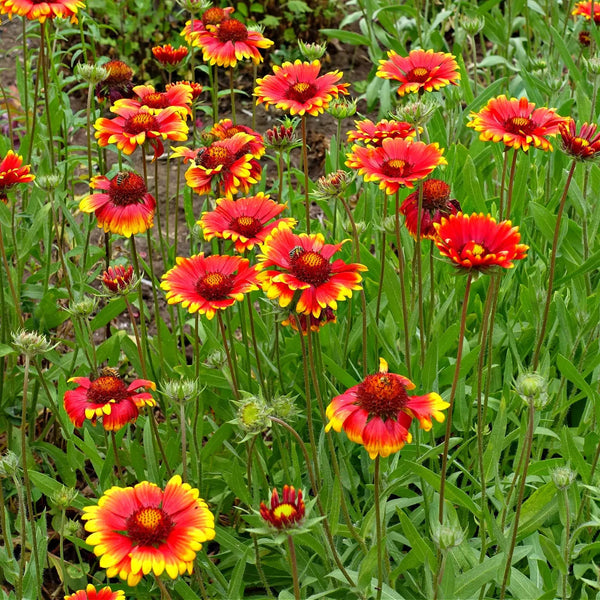
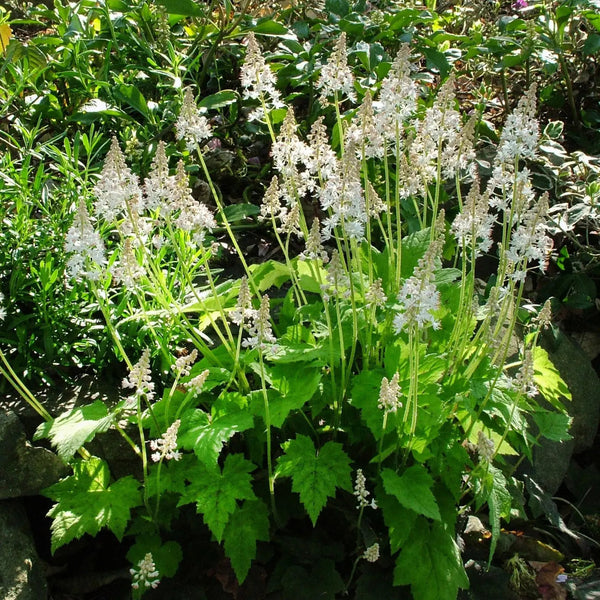
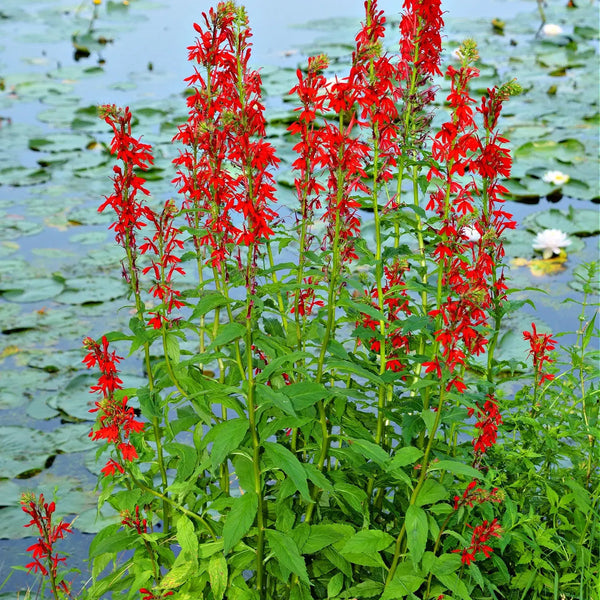
A dandelion patch peaks early, so the bees that visit it in spring need something to move on to. Plan a run of bloom that starts with dandelions and keeps going, using the right plant for each corner of the site. In the sun, Black Eyed Susan follows with blooms in spring and again in fall, and draws bees and butterflies. Blanket Flower carries red, orange and yellow daisy-like blooms from early summer until frost. Golden Rod, a native perennial, forms upright clumps up to three feet tall for the back of the planting. For the shady or wet corners, Foam Flower bears white or soft pink blooms under trees in moist soil, and Red Cardinal Flower adds scarlet blossoms in moist ground and attracts hummingbirds. Together they keep flowers open well beyond the dandelion's spring peak.

Watch out
Dandelion sap can cause contact dermatitis in susceptible people, so wear gloves if your skin reacts. Eat flowers only from plants that have never been sprayed with pesticides. The roots act as a diuretic and laxative, so avoid eating large amounts, as Wisconsin Horticulture advises.
Frequently asked questions
What flower is mistaken for a dandelion?
Catsear, also called false dandelion, is the flower most often mistaken for a dandelion. It has similar yellow heads, but its flower stems branch and its leaves carry coarse, rough hairs, as the UC IPM weed guide notes. A true dandelion holds one flower on each hollow, unbranched stem.
Can I eat a dandelion flower?
Yes. Dandelion blossoms are edible and sweetest when picked early in the season, according to University of Wisconsin-Madison Extension. Use them soon after picking, because they close quickly, and gather them only from plants you know have not been treated with pesticides.
What is the dandelion puff called?
The puff is the dandelion's seed head, often called a blowball. Each seed carries a fluffy tuft of fine hairs called a pappus, which lets the wind lift it away, as the UMaine Extension fact sheet explains. One head holds 150 to 200 seeds, per Wisconsin Horticulture.
| Feature | Dandelion | Catsear (false dandelion) |
|---|---|---|
| Flower stem | Hollow, unbranched, one head per stem | Branched flower stems |
| Leaves | No coarse hairs | Coarse yellowish hairs, rough to the touch |
Dandelion
- Flower stem
- Hollow, unbranched, one head per stem
- Leaves
- No coarse hairs
Catsear (false dandelion)
- Flower stem
- Branched flower stems
- Leaves
- Coarse yellowish hairs, rough to the touch