

The short answer
The difference between annuals and perennials is lifespan. An annual sprouts, blooms, sets seed and dies in one growing season, so you replant it every spring. A perennial lives for three years or more, dies back in winter and regrows from the same roots. Your hardiness zone can move a plant from one group to the other.
That one line covers most gardens. But if you plant beds by the hundred, the details matter: which plants only act like annuals in cold zones, where biennials fit, and how fast replanting adds up. Here is how we sort them at the nursery.
The difference between annuals and perennials, side by side
| Feature | Annuals | Perennials |
|---|---|---|
| Lifespan | One growing season | Three years or more |
| What survives winter | Only seed | Roots, crowns, rhizomes or bulbs |
| Bloom | Long, steady color from planting to frost | A set bloom window that returns each year: a few weeks for some, all summer for others |
| Planting | Every spring | Once, then divide every few years |
| Root system | Shallow, short-lived | Deeper and wider each year |
| Cost over time | You buy the full bed again each year | You buy the bed once |
| Best use | Containers, quick color, filling gaps | Borders, mass plantings, restoration and pollinator beds |
Annuals
- Lifespan
- One growing season
- What survives winter
- Only seed
- Bloom
- Long, steady color from planting to frost
- Planting
- Every spring
- Root system
- Shallow, short-lived
- Cost over time
- You buy the full bed again each year
- Best use
- Containers, quick color, filling gaps
Perennials
- Lifespan
- Three years or more
- What survives winter
- Roots, crowns, rhizomes or bulbs
- Bloom
- A set bloom window that returns each year: a few weeks for some, all summer for others
- Planting
- Once, then divide every few years
- Root system
- Deeper and wider each year
- Cost over time
- You buy the bed once
- Best use
- Borders, mass plantings, restoration and pollinator beds
Common annuals include zinnias, marigolds, petunias and sunflowers. Common perennials include coneflowers, daylilies, irises and hostas. Browse our full range of perennials for sale to see what returns in your zone.
Will annuals come back every year?
No. The plant itself dies at the end of its season. What you may see is a new plant from dropped seed. Annuals such as cosmos and cleome often self-sow, so a bed can look like it came back. Those seedlings can come up in new spots, and hybrids may not look like their parent. For more on this, read what makes a plant annual.
Biennials and tender perennials blur the line
Not every plant fits neatly into one of the two groups. Two kinds cause most of the confusion.
Biennials take two seasons
A biennial grows only leaves in its first year, then flowers, sets seed and dies in its second. Foxglove, hollyhock and sweet William work this way. Plant them two years in a row and they will bloom every summer after, because each year's batch is at a different stage.
Tender perennials depend on your zone
A tender perennial lives for years where winters stay mild, but frost kills it. Lantana, zonal geraniums, coleus and snapdragons are often sold as annuals for that reason. In the warmest zones they come back. In colder zones they last one season unless you bring them indoors. Our post on whether snapdragons are annuals or perennials walks through one example.
Tip
Check the hardiness zone range on any plant before you buy. A perennial rated for zones 3 to 9 will return across most of the country. A plant rated only for zones 9 to 11 will act like an annual in Tennessee or Ohio.
What five seasons of replanting adds up to
The cost difference is easiest to see in plant counts. Say you fill a bed with 100 plants and keep it for five years.
- Annuals: 100 plants each spring, so 500 plants bought, planted and watered in over five years.
- Perennials: 100 plants once. After two or three years, many clumps can be divided to fill new beds at no extra cost.
That is five planting days against one, and five rounds of soil prep against one. For landscapers and municipal crews, it also means fewer callbacks and a bed that fills in more each year instead of starting over. Buying perennials in bulk lots of 25, 50, 100 or 500 keeps the cost per plant down for large plantings.
Native perennials that come back year after year
Native perennials are adapted to the regions they come from, so they are a dependable choice when you want a bed that returns. These are six we grow, with the bloom and zone details from each plant's listing.
01 Purple Coneflower
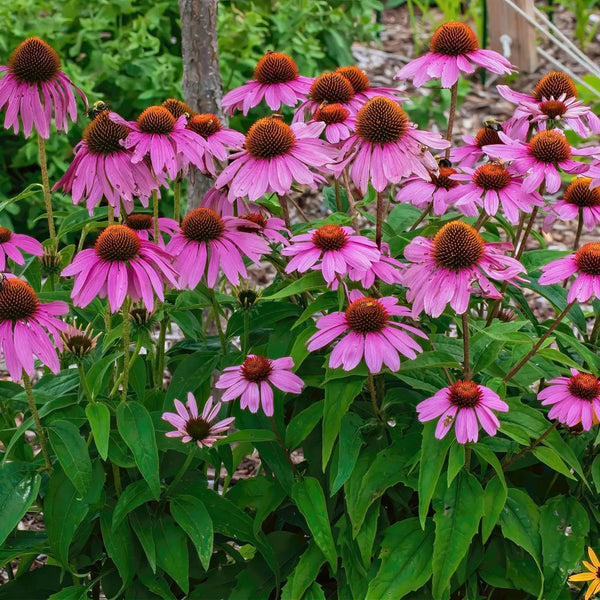
Best for Sunny pollinator beds that need summer-long color
A hardy native, listed for zones 3 through 9, with purple blooms that flower all summer long. It tolerates tough conditions, draws bees, butterflies and hummingbirds, and its seed heads feed birds.
$44.99
In stock
02 Black Eyed Susan Plant
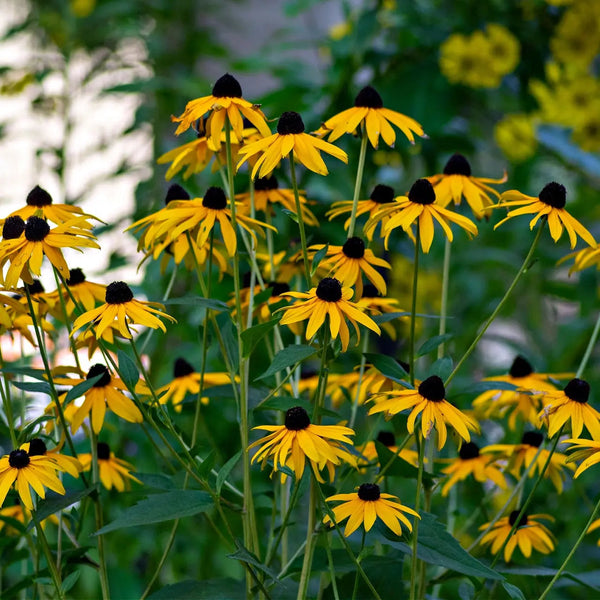
Best for Mass plantings and roadside or meadow-style beds
A native North American perennial in the sunflower family, with bright yellow, daisy-like flowers around dark centers that attract birds, bees and butterflies.
$44.99
In stock
03 Blazing Star Plant
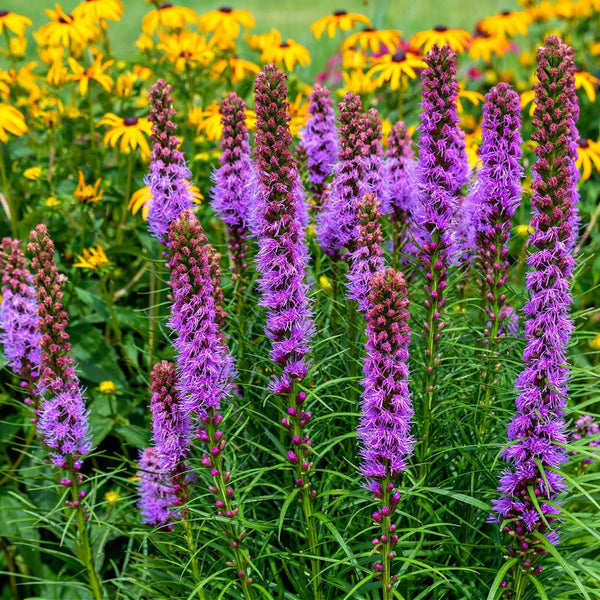
Best for Cold-zone gardens and vertical accents
Also called liatris, it is native to the Eastern North American prairies and thrives in zones 3 through 9. It grows 24 to 48 inches tall with spiky purple or pink flowers and adapts to nearly any well-draining soil.
$44.99
In stock
04 Bellflower Plant

Best for Shady woodland edges and early spring color
A woodland perennial native to eastern and central North America. Its yellow flowers arrive early, blooming for about two weeks as early as March in some zones.
$44.99
In stock
05 Black Cohosh Plant
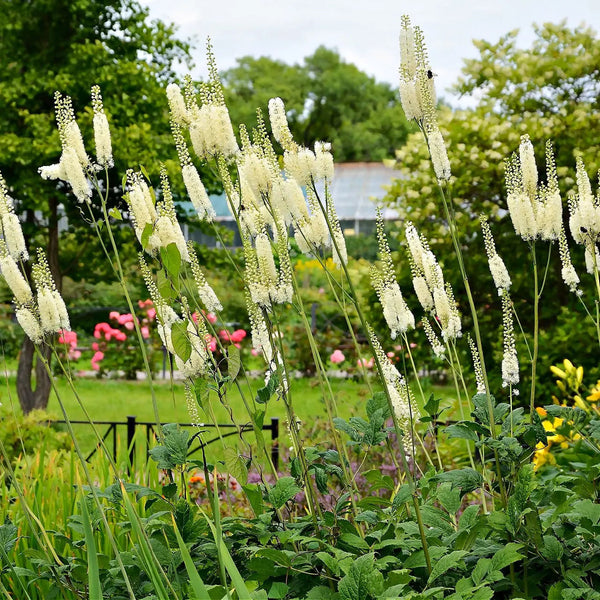
Best for Part-shade borders and woodland gardens
Grown from rhizomes, it sends up spiked white blooms in spring and early summer on long, sturdy stems. It needs little care once planted.
$44.99
In stock
06 Bearded Iris Plant

Best for Borders across a wide range of zones
Not a native, but a classic for returning color. It is hardy in zones 3 through 10 and comes in shades from white to light purple, blue and deep purple.
$44.99
In stock
Which is better, annuals or perennials?
Neither is better in every bed. Perennials win when you want a planting that lasts, costs less over time and builds roots that hold soil. Annuals win when you need color right away, a container display, or a fill for one season. Most good beds use both.
Set the perennial backbone first
Plant perennials in drifts for structure, choosing a mix of spring, summer and fall bloomers so something is always in flower.
Leave pockets for annuals
Keep small gaps near the front of the bed for annuals. They carry color between perennial bloom windows.
Shrink the annual space each year
As perennial clumps spread, give them the annual pockets or divide them to start new beds.
Annuals and perennials FAQ
What is the most hardy perennial?
No single plant is the hardiest everywhere, because hardiness depends on your winters, soil and moisture. Start with perennials rated down to zone 3, such as purple coneflower and blazing star, which come back after cold winters. Then match the plant to your site: sun or shade, wet or well-drained soil.
What is the most popular perennial plant?
There is no official ranking. Coneflowers, black-eyed Susans, daylilies, irises and hostas show up in gardens across the country because they are easy to grow and return reliably. Native choices like coneflower and black-eyed Susan also bring bees and butterflies to the bed.
What is the difference between annual and perennial?
An annual finishes its whole life in one season: it sprouts, flowers, sets seed and dies, so it must be replanted every spring. A perennial lives three years or more. Its top growth may die back in winter, but its roots survive and send up new growth each spring.