
The short answer
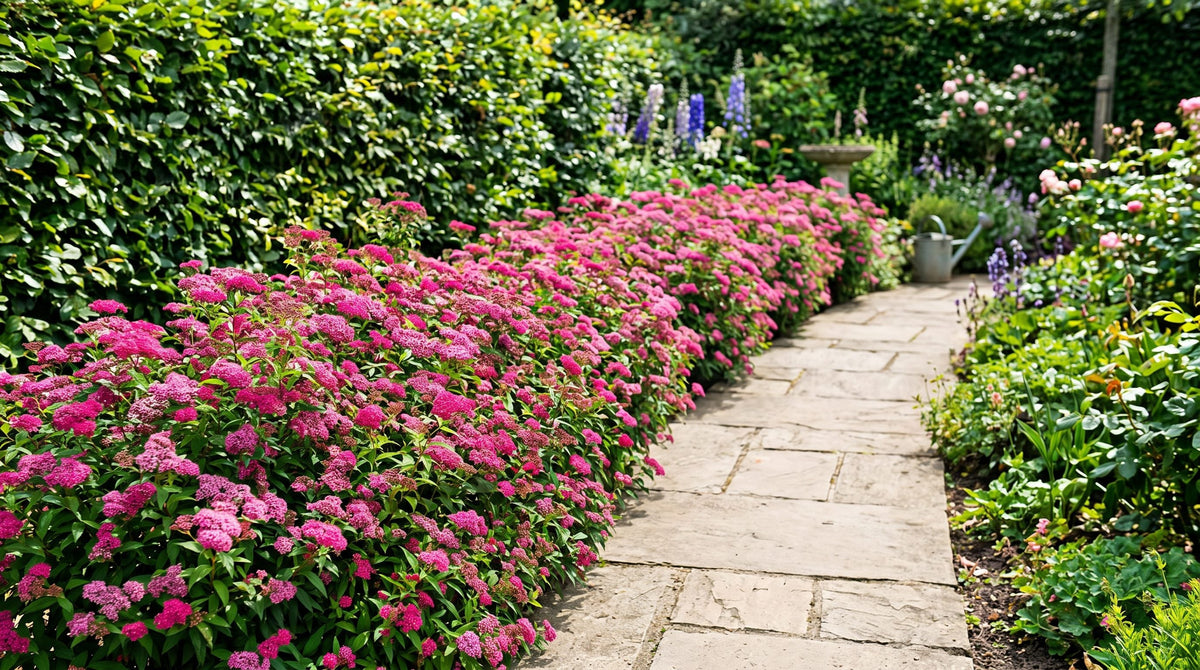
A spirea shrub is a hardy, deciduous flowering bush that grows in zones 3-9, and most kinds stay 2 to 8 feet tall. Spring bloomers like bridal wreath flower on old wood, so prune them right after bloom. Summer bloomers like Japanese spirea flower on new wood, so prune them in late winter. Plant in full sun.
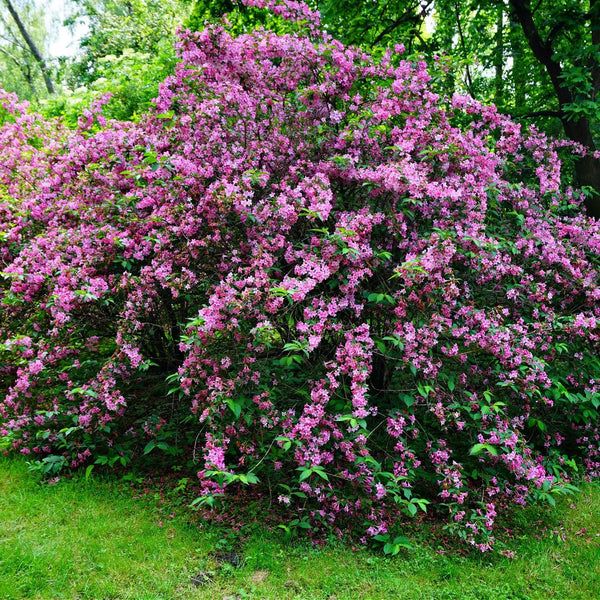
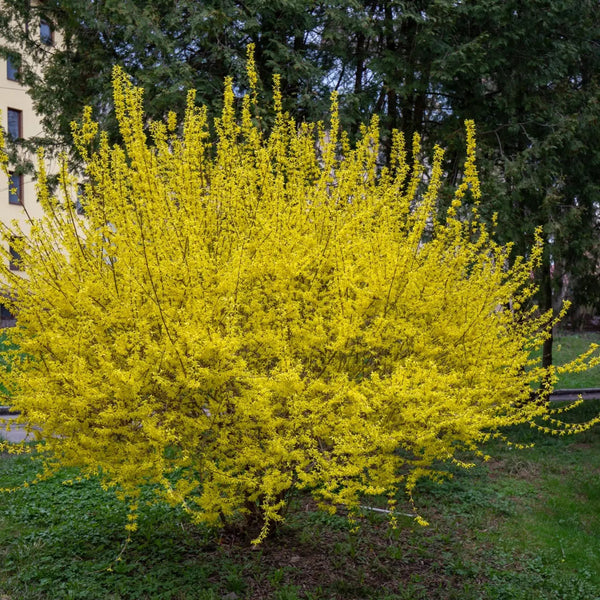
Spirea (Spiraea) is a group of deciduous shrubs, meaning they drop their leaves in fall. They are loved for dense clusters of small flowers in white, pink, rose or red, and they ask for little care once settled. Most kinds fall into two groups. Spring bloomers, such as bridal wreath, have arching branches covered in white flowers. Summer bloomers, such as Japanese spirea, grow upright and carry flat pink or rose flower heads in early to mid-summer. The group matters because it sets your pruning time. "Old wood" means stems that grew last year; "new wood" means stems that grow this season. Cut a spring bloomer in fall and you remove next year's buds. In the landscape, spirea works as a low hedge, a property border, a foundation planting or a mass of color on a bank. Bees and butterflies visit the flowers, and deer tend to pass it by. It pairs well with other easy flowering shrubs, such as weigela and forsythia.
What you need for spirea shrubs
1. Choose the type and a sunny spot
Decide first whether you want a spring or summer bloomer, since that sets its size and pruning time. Pick a spot with full sun. A little shade is fine, but too much shade stunts growth and means fewer flowers. Space shrubs about as far apart as their mature width: roughly 2 to 3 feet for dwarf Japanese types and 6 to 8 feet for bridal wreath.
Tip: Choose well-drained ground. Soggy soil can lead to root rot.
2. Plant bare-root spirea in spring or fall
Spring and fall planting give the best results. Soak bare roots in water for a few hours first. For a large order you cannot plant in one day, heel the plants in: lay them in a shallow trench in shade and cover the roots with moist soil. Dig each hole wider than the roots, set the shrub at the depth it grew, backfill, and water deeply.
Tip: For a hedge, run a string line and mark every hole before you dig.
3. Water and feed through the first seasons
New spirea needs steady moisture while its roots spread. Water deeply whenever the top few inches of soil dry out, through the first one or two seasons. A light feeding in spring is all it asks. Avoid overwatering, since wet, poorly drained soil invites root rot and powdery mildew. Once settled, a mature spirea needs little care besides weeding.
Tip: A 2 to 3 inch layer of mulch holds moisture and keeps weeds down.
4. Prune spirea by bloom season
Prune spring bloomers, such as bridal wreath, right after their flowers fade. They set next year's buds on old wood, so later cuts remove flowers. Prune summer bloomers, such as Japanese spirea, in late winter or early spring, before new growth starts. They flower on new wood, so a hard cut then still blooms that summer. Take out dead or crossing stems any time.
Tip: Shear off faded summer flowers to keep the shrub tidy.
Spring vs summer spirea types
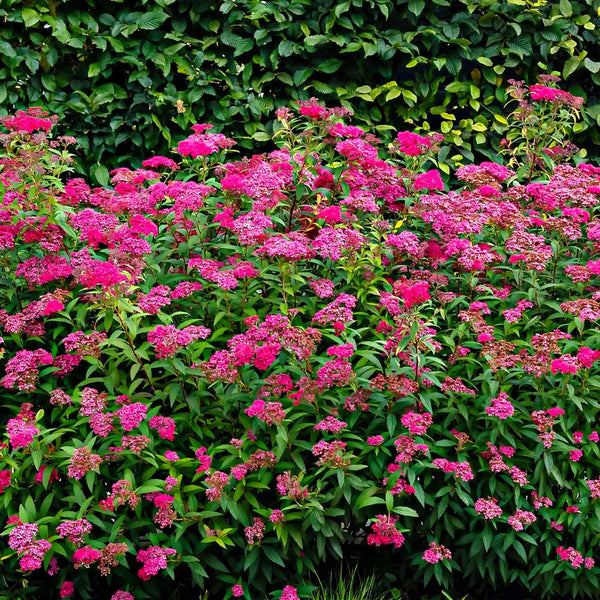
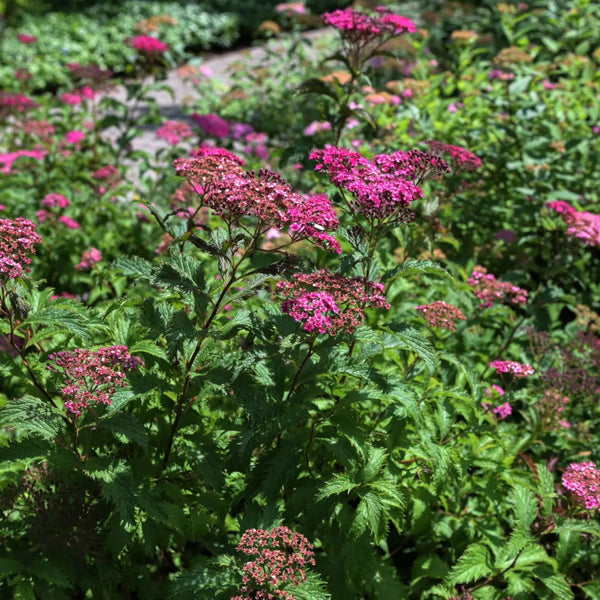
Spring-blooming spireas carry white flowers on arching stems. Bridal wreath is the largest, reaching up to 8 feet tall and 8 feet wide, with dark green leaves that turn red and orange in fall. Nippon spirea stays near 4 feet by 4 feet with white flower clusters, and early spirea grows 3 to 4 feet. Summer-blooming spireas are smaller and grow more upright. Japanese spirea ranges from low dwarfs up to 4 to 6 feet, with flowers in pink, rose, red or white. Birchleaf spirea grows 3 to 5 feet with small white flowers in summer. Our Pink Spirea and Spiraea Japonica are both Japanese spirea, so prune them in late winter, not fall. Both bring rose to pink summer color, and their flowers draw butterflies. Some states list Japanese spirea as invasive in natural areas, so check your state's list before planting near open fields or woods.
Care and keeping
Spirea care is simple. Give it full sun and well-drained soil. Water new shrubs through the first one or two seasons, then only in long dry spells. Skip heavy fall pruning on spring bloomers, since that removes next year's flowers. Thin out the oldest stems every few years to keep the shrub full and blooming.
Frequently asked questions
How do you plant a spirea bush?
Plant in spring or fall, in full sun and well-drained soil. Soak bare roots for a few hours, dig a hole wider than the roots, and set the shrub at the depth it grew. Backfill with native soil, firm it gently, and water deeply. Keep the soil moist through the first season.
Should spirea be cut back in the fall?
Avoid heavy fall pruning. Spring bloomers like bridal wreath set next year's buds on old wood, so fall cuts remove flowers. Prune them right after bloom. Summer bloomers like Japanese spirea are best cut back in late winter or early spring. In fall, only remove dead or broken stems.
How tall does a spirea bush get?
It depends on the type. Dwarf Japanese spireas stay low, and most Japanese types top out at 4 to 6 feet. Birchleaf grows 3 to 5 feet, Nippon about 4 feet, and early spirea 3 to 4 feet. Bridal wreath is the largest, reaching up to 8 feet tall and wide.
Spirea shrub sizes and pruning time by type
| Spirea type | Bloom season | Mature height | When to prune |
|---|---|---|---|
| Japanese spirea | Early to mid-summer | Low dwarfs up to 4-6 ft | Late winter or early spring |
| Birchleaf spirea | Summer | 3-5 ft | Late winter or early spring |
| Bridal wreath | Spring | Up to 8 ft tall and 8 ft wide | Right after flowering |
| Nippon spirea | Late spring | About 4 ft tall and 4 ft wide | Right after flowering |
| Early spirea | Early spring | 3-4 ft | Right after flowering |
Bloom season
- Japanese spirea
- Early to mid-summer
- Birchleaf spirea
- Summer
- Bridal wreath
- Spring
- Nippon spirea
- Late spring
- Early spirea
- Early spring
Mature height
- Japanese spirea
- Low dwarfs up to 4-6 ft
- Birchleaf spirea
- 3-5 ft
- Bridal wreath
- Up to 8 ft tall and 8 ft wide
- Nippon spirea
- About 4 ft tall and 4 ft wide
- Early spirea
- 3-4 ft
When to prune
- Japanese spirea
- Late winter or early spring
- Birchleaf spirea
- Late winter or early spring
- Bridal wreath
- Right after flowering
- Nippon spirea
- Right after flowering
- Early spirea
- Right after flowering