
The short answer
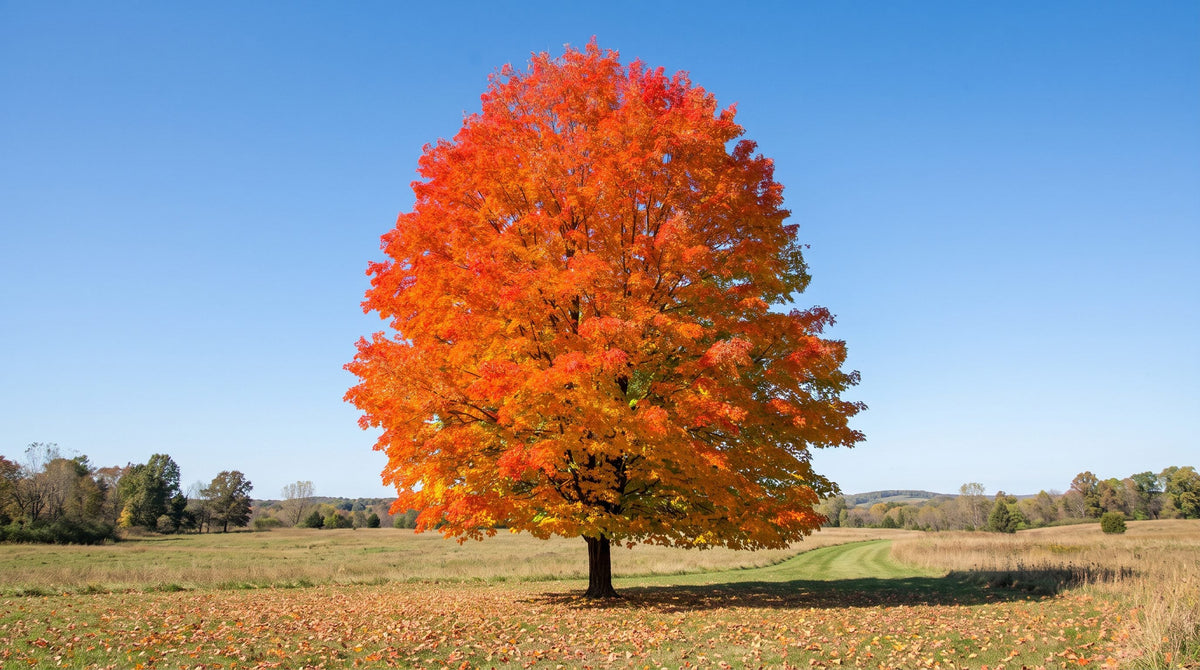
Maple tree identification starts with three traits: twigs and leaves grow in opposite pairs, the leaves are lobed like a hand, and the seeds are paired winged helicopters. Sugar maple has smooth leaf edges with few teeth and sharp brown buds. Red maple has toothed leaves and round red buds. Silver maple has deep-cut leaves with silvery undersides.
A maple is one of the easiest trees to spot and one of the easiest to get wrong. Many trees have lobed leaves and bright fall color. Even among true maples, sugar, red and silver maple can look alike from the sidewalk. Getting it right matters. A landowner may want to tap a sugar maple for syrup. A restoration crew may need to confirm a stand before thinning it. A gardener may simply want to know what is shading the yard, or which maple to plant next. The checks below work in every season, even in winter when the branches are bare. At the end, a chart puts sugar, red and silver maple side by side with box elder, Norway maple, sycamore and sweetgum, common look-alikes. Each row covers leaf, bark, winter buds and seeds. Use it in the field, or keep it handy when you shop our seedlings.
Maple tree identification, step by step
1. Check for opposite branching
Start with the twigs, not the leaves. On a maple, buds, leaves and side branches grow in pairs, straight across from each other. Most trees in a yard or woodlot grow them one at a time, in a staggered pattern. Only a few common trees branch in pairs, including maple, ash, dogwood and buckeye. If the branching is staggered, the tree is not a maple, however much the leaf looks like one.
Tip: Remember MAD Buck: maple, ash, dogwood and buckeye branch in opposite pairs.
2. Read the leaf edges and notches
Next, look at the leaf edge and the notches between the lobes. Sugar maple has five lobes with smooth edges, a few large teeth and rounded, U-shaped notches. Red maple has three to five lobes, a sawtooth edge and sharp, V-shaped notches, often on a red leaf stem. Silver maple has five lobes cut almost to the center, with a toothed edge and a silvery-white underside.
Tip: Flip the leaf over. A silvery underside points to silver maple.
3. Look closely at the bark
Bark helps most on older trees. Young sugar maples have smooth gray-brown bark. With age it turns into long, firm plates that often curl away at one side. Young red maples are smooth and light gray, and older trunks break into dark, scaly ridges. Silver maple bark is smooth and silver-gray when young, then peels into long, loose strips that give the trunk a shaggy look.
Tip: Seedlings and saplings all have smooth bark, so use leaves or buds on young trees.
4. Use buds and twigs in winter
Without leaves, the buds do the work. Sugar maple buds are brown, narrow and sharply pointed, on slim brown twigs. Red maple buds are round, blunt and bright red, on shiny red twigs. Silver maple buds are also red and round, but its flower buds sit in thick clusters along the twig. Crush a silver maple twig and it gives off a strong, unpleasant smell.
Tip: Late winter is a good time to mark sugar maples before the leaves return.
5. Confirm with seeds and sap
Seeds and sap settle close calls. All maples make paired, winged seeds called samaras. Red and silver maple seeds ripen in spring, and silver maple's are the largest of the three. Sugar maple seeds ripen in fall, with wings set in a gentle U. To rule out Norway maple, snap a leaf stem. Norway maple bleeds milky white sap, and sugar maple sap is clear.
What tree is mistaken for a maple tree?
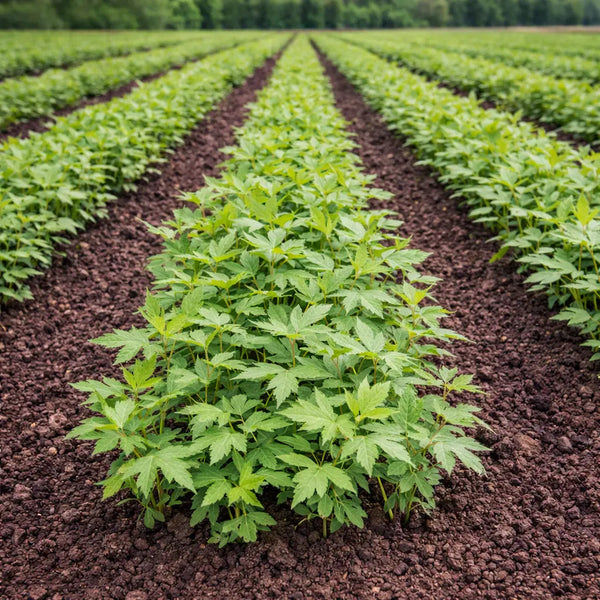
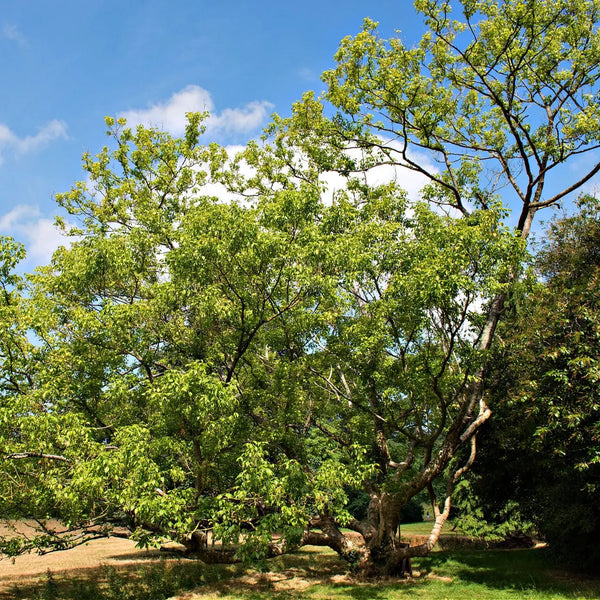
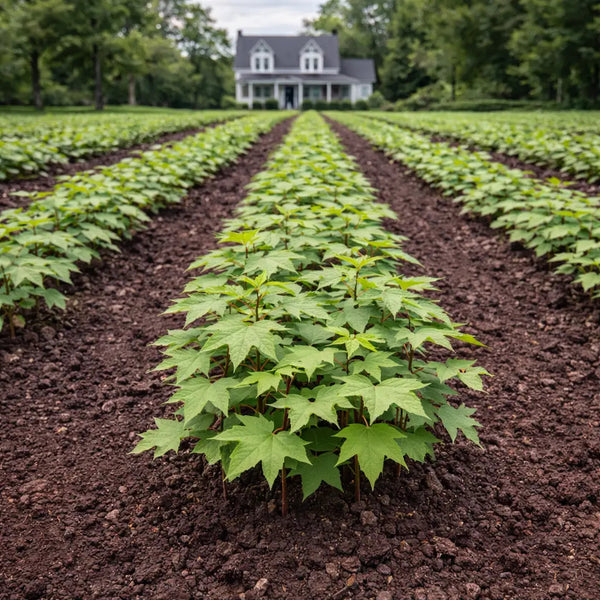
Sweetgum is a common maple look-alike. Its glossy, star-shaped leaves have five to seven pointed lobes and turn red, orange and purple in fall. Two clues give it away. Its leaves grow one at a time, not in pairs, and it drops hard, spiky seed balls instead of winged seeds. American sycamore also has broad, lobed leaves, but they are staggered on the twig, and its bark peels in patches of white, gray and brown. Box elder surprises many people. It is a true maple, yet its leaves are split into three to five separate leaflets, so it looks more like an ash. Its green twigs, often with a pale, waxy coating, help confirm it. Norway maple is a maple too, but not native to North America. Its leaves are wider than they are long, and a broken leaf stem shows milky sap. We grow both box elder and sweetgum, shown below.
Care and keeping
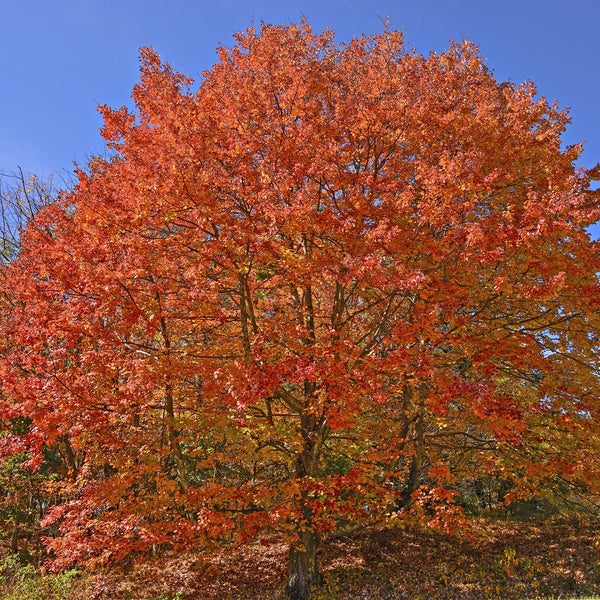
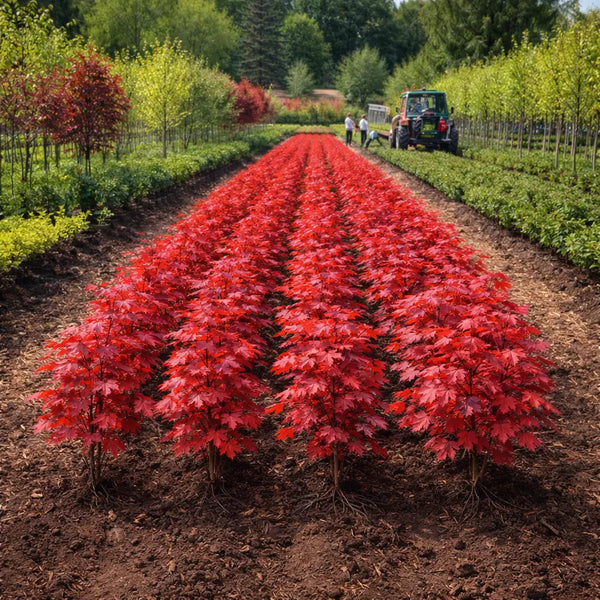
Choosing a maple to plant starts with your site and your zone. Red and silver maple are fast growers, a good fit when you want shade sooner. Sugar maple brings rich orange and red fall color. Check the zone on each product page before you order, and use the traits above to know each tree on sight.
Frequently asked questions
What does sugar maple bark look like?
On young sugar maples, the bark is smooth and gray-brown. As the tree matures, it breaks into long, firm, vertical plates. The edges of these plates often lift or curl away from the trunk on one side. Red maple bark stays tighter and scalier, and silver maple bark peels in looser, shaggier strips.
How to tell the difference between sugar maple and Norway maple?
Snap a leaf stem. Norway maple oozes milky white sap, while sugar maple sap is clear. Norway maple leaves are also wider than they are long, and its seed wings spread almost straight out. In winter, Norway maple buds are plump and rounded, while sugar maple buds are slim and sharply pointed.
Where do maple trees typically grow?
Most maples grow across the cooler and temperate parts of the Northern Hemisphere. In North America, sugar, red and silver maple are native to the eastern half of the continent. Red maple grows in the widest range of sites, from swamps to dry ridges. Silver maple favors stream banks and bottomlands, and sugar maple prefers rich upland forests.
Maple tree identification chart
| Tree | Leaf | Bark | Winter buds and twigs | Seeds |
|---|---|---|---|---|
| Sugar maple | 5 lobes, smooth edges with few teeth, U-shaped notches | Gray-brown; long plates that curl at one side | Brown, narrow, sharp-pointed buds | Paired wings in a gentle U; ripen in fall |
| Red maple | 3 to 5 lobes, sawtooth edge, V-shaped notches, red stem | Smooth light gray; dark scaly ridges with age | Round, blunt red buds on shiny red twigs | Small, often red; ripen in spring |
| Silver maple | 5 deep lobes, toothed, silvery underside | Silver-gray; peels in long shaggy strips | Round red buds in thick clusters; twig smells when crushed | Largest of the three; ripen in spring |
| Norway maple (a maple) | Wider than long; milky sap when the stem is snapped | Gray with tight, crisscrossing ridges | Plump, rounded buds | Wings spread almost straight out |
| Box elder (a maple) | 3 to 5 separate leaflets, in pairs | Light gray-brown with shallow ridges | Green twigs, often with a pale waxy coating | Paired wings in hanging clusters |
| Sycamore (not a maple) | Broad, shallow lobes, staggered | Peels in patches of white, gray and brown | Staggered buds hidden under the leaf stem base | Round, ball-shaped seed heads |
| Sweetgum (not a maple) | Star-shaped, 5 to 7 lobes, staggered | Gray and deeply furrowed | Staggered, glossy pointed buds | Spiky round seed balls |
Leaf
- Sugar maple
- 5 lobes, smooth edges with few teeth, U-shaped notches
- Red maple
- 3 to 5 lobes, sawtooth edge, V-shaped notches, red stem
- Silver maple
- 5 deep lobes, toothed, silvery underside
- Norway maple (a maple)
- Wider than long; milky sap when the stem is snapped
- Box elder (a maple)
- 3 to 5 separate leaflets, in pairs
- Sycamore (not a maple)
- Broad, shallow lobes, staggered
- Sweetgum (not a maple)
- Star-shaped, 5 to 7 lobes, staggered
Bark
- Sugar maple
- Gray-brown; long plates that curl at one side
- Red maple
- Smooth light gray; dark scaly ridges with age
- Silver maple
- Silver-gray; peels in long shaggy strips
- Norway maple (a maple)
- Gray with tight, crisscrossing ridges
- Box elder (a maple)
- Light gray-brown with shallow ridges
- Sycamore (not a maple)
- Peels in patches of white, gray and brown
- Sweetgum (not a maple)
- Gray and deeply furrowed
Winter buds and twigs
- Sugar maple
- Brown, narrow, sharp-pointed buds
- Red maple
- Round, blunt red buds on shiny red twigs
- Silver maple
- Round red buds in thick clusters; twig smells when crushed
- Norway maple (a maple)
- Plump, rounded buds
- Box elder (a maple)
- Green twigs, often with a pale waxy coating
- Sycamore (not a maple)
- Staggered buds hidden under the leaf stem base
- Sweetgum (not a maple)
- Staggered, glossy pointed buds
Seeds
- Sugar maple
- Paired wings in a gentle U; ripen in fall
- Red maple
- Small, often red; ripen in spring
- Silver maple
- Largest of the three; ripen in spring
- Norway maple (a maple)
- Wings spread almost straight out
- Box elder (a maple)
- Paired wings in hanging clusters
- Sycamore (not a maple)
- Round, ball-shaped seed heads
- Sweetgum (not a maple)
- Spiky round seed balls