

The short answer
Pawpaw tree care comes down to four things. Plant at least two unrelated pawpaws 6 to 10 feet apart in moist, well-drained soil. Shade trees under 24 inches tall and keep the roots from drying out. Give older trees full sun for fruit. Expect first fruit in 3 to 4 years and a full crop in 5 to 7.
The pawpaw, Asimina triloba, is a native understory tree, which means it grows wild beneath taller trees. It tops out around 15 to 30 feet and is hardy in zones 5 to 9. That makes it a good fit for yards, woodland edges, food forests and native orchards. The care it needs changes as it grows. A young tree wants shade, steady water and a spot it will never have to leave. An older tree wants full sun, a partner tree nearby and insects to carry its pollen. Most trouble comes from treating a seedling like a mature tree, or the other way around. Below, each stage runs from the day your bare-root box arrives to the first ripe fruit in late summer. It uses the same spacing and timing we give for our own pawpaw trees. So you can plan a few trees for the yard or a full row for an orchard. Kentucky State University's pawpaw planting guide adds more detail.
Pawpaw tree care by age
1. Year one: plant two or more unrelated pawpaws
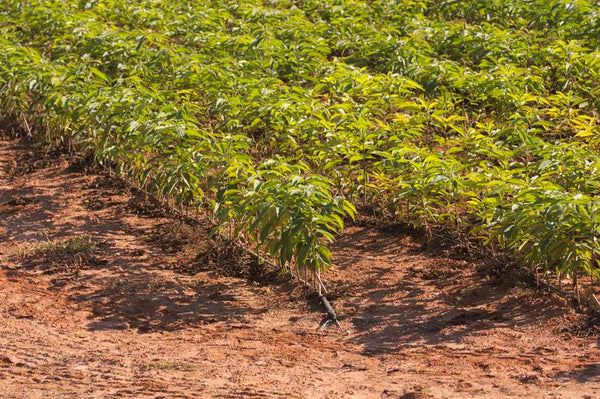
Pick the spot first, because pawpaws are slow to recover from a move. Give them full sun if you want fruit, and avoid low ground where water sits. Dig a test hole and check that it drains overnight. Plant at least two trees 6 to 10 feet apart, with 15 to 20 feet between rows. Unpack the box the day it arrives and keep the roots wet. Set each tree at the depth it grew.
Tip: Handle the long main root, called the taproot, gently and let it hang straight down.
2. First summer: shade young trees
Small pawpaws under 24 inches need shade their first summer, or strong sun will scorch them. A shade cloth, a slatted frame or a spot on the east side of taller plants all work. Water whenever the top of the soil dries, since young roots need steady moisture. Spread mulch in a wide ring, kept a few inches off the trunk, to hold moisture and keep grass back.
Tip: Shade cloth that blocks 30 to 50 percent of the sun is a common choice.
3. Years two and three: keep care steady
Keep the mulch ring topped up and pull weeds and grass that compete for water. Water through dry spells, but never leave the roots sitting in soggy ground. Occasional wet spells are fine, but standing water for weeks is not. Leave the shade up until a tree grows past about 24 inches. Then take it down in early spring, so the tree gets the full sun it needs to fruit well.
Tip: Older trees send up root suckers. Pull them if you want a single trunk.
4. Years three to four: help flowers set fruit
Around year three or four, maroon flowers open in early spring, before the leaves. They smell like yeast, and flies and beetles do the pollinating instead of bees. A single tree sets almost nothing, so this is when a second, unrelated tree pays off. If you see few insects, move pollen from one tree's flowers to the other's with a small, soft brush.
Tip: Keep partner trees close. Our spacing of 6 to 10 feet keeps them within reach.
5. Years three to seven: harvest from late August
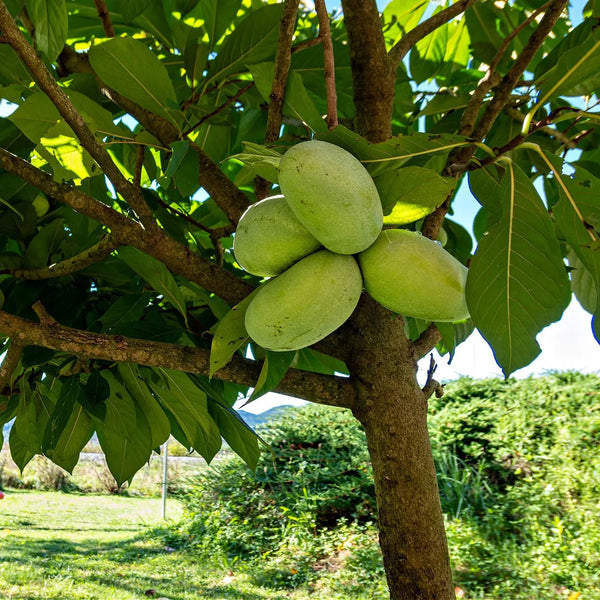
Expect the first fruit in 3 to 4 years and a full crop in 5 to 7. Pawpaws ripen from late August through September and grow up to 6 inches long. The flavor is sweet and custardy, like banana with a little mango. Pick fruit as it ripens, since it keeps only about five days. Check often, because raccoons, squirrels and birds will reach it first.
Tip: Pawpaws keep only about five days, so they rarely turn up in grocery stores.
Pawpaws in a native fruit orchard
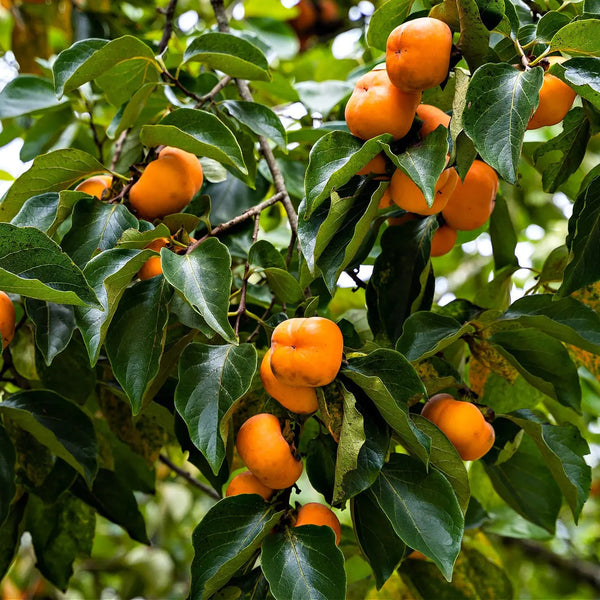
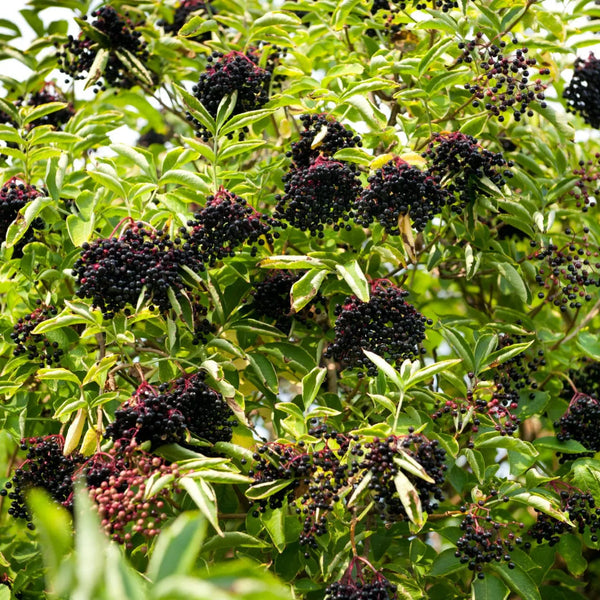
Pawpaw fits a mixed native orchard or food forest well, because it is happy at the edge of taller trees. American persimmon is a natural partner. It is native to the eastern U.S., hardy in zones 4 to 9, and grows in full sun to part shade. It grows much taller than pawpaw, 30 to 80 feet, so plant it on the north side, where its shade will not cover your pawpaws once they need sun. Persimmons come as male and female trees, and only females bear fruit, so plant both. Elderberry fills the lower layer. This native shrub grows 5 to 12 feet tall, takes wet or dry soil and bears dark purple berries in August and September. Space elderberries 6 to 8 feet apart along a fence line or the orchard's outer edge, since they spread by root suckers. Together the three give you fruit from late summer into winter, and food for birds and other wildlife between harvests.
Care and keeping
Never let bare-root pawpaws dry out between the box and the hole. Wet the roots the day they arrive and plant as soon as you can. Pick a spot you will keep, because pawpaws are slow to recover from a move. And skip low, soggy ground: wet feet is the one thing they cannot handle.
Frequently asked questions
Can I grow a pawpaw tree in my yard?
Yes, if you live in zones 5 to 9 and have a spot with good drainage. Pawpaws stay around 15 to 30 feet tall, so they fit most yards. Plan room for at least two trees 6 to 10 feet apart, and expect some root suckers as they age.
How many pawpaw trees do I need for fruit?
Plant at least two, and make sure they are genetically different. Pawpaw flowers cannot pollinate themselves, and a lone tree sets almost nothing. Two seedlings from different parents work, but a root sucker from the same tree does not count. Three or more trees give better fruit set.
How long until a pawpaw tree fruits?
With our bare-root pawpaws, expect first fruit in 3 to 4 years and a full crop in 5 to 7. Sun matters most: a tree in deep shade lives but gives only a few fruit. Steady water and a nearby partner tree also help it reach that first harvest.